
You come in from the backyard, and there it is: a tick on your sock, or on the dog. Around Syracuse, that's a familiar moment. A SUNY ESF disease ecologist told WAER, Syracuse University's public radio station, in April 2026 that longtime Central New Yorkers often say, “We didn't use to have ticks like this.” Here's where ticks and fleas wait in your yard, when they're out, and what it takes to enjoy the grass again.
The ticks you'll meet in Central New York
Three ticks matter most here. Upstate's tick testing lab sees all three in Central New York, with deer ticks the most common:
- Blacklegged tick (deer tick). The most common tick in New York. It needs moisture, so it lives in the forest and at the forest edge, where tree cover, dense plants and leaf litter keep things damp. It can carry Lyme disease, anaplasmosis and babesiosis.
- American dog tick. Handles warm, dry spots: roadsides, trails and lawns. Young dog ticks feed mostly on small mammals; adults climb grass and brush to find medium-sized animals, like dogs, and people. It can carry Rocky Mountain spotted fever, which is rare.
- Lone star tick. At home anywhere from the shade of the forest to the sun of a lawn, and it may walk toward you instead of waiting. It's linked to ehrlichiosis and alpha-gal syndrome, a food allergy.
Ticks aren't insects. They're arachnids, kin to mites and spiders. Nymphs and adults have eight legs, and a nymph is about the size of a poppy seed, small enough to miss. A deer tick's life runs about two years, with a blood meal at every stage.
Where ticks wait in a yard
Wood edges, leaf litter, tall grass and stone walls
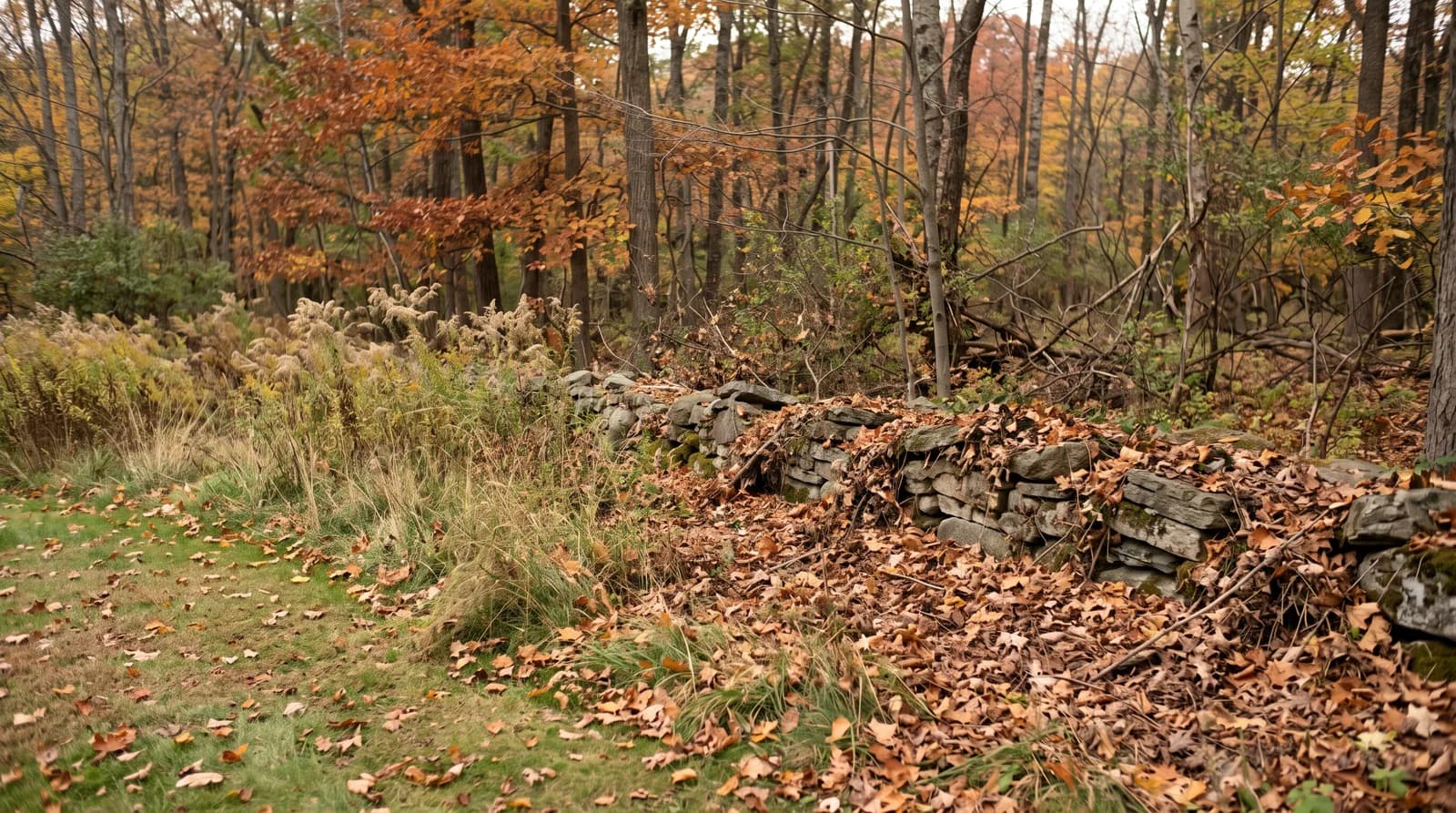
Deer ticks live in shady, moist spots at ground level. They cling to tall grass, brush and shrubs, usually no more than 18 to 24 inches off the ground, and they turn up in garden beds and along the edges of the yard too, especially near the woods and around old stone walls. Nymphs wait below knee height; adults may climb to waist height to catch a bigger animal walking by. In a Central New York yard, that means:
- The wood line, and the tall grass, ferns and brush along it.
- Leaf litter under trees and shrubs.
- Shady beds and groundcover, such as pachysandra.
- Old stone walls.
- The shady edge where the lawn meets the woods.
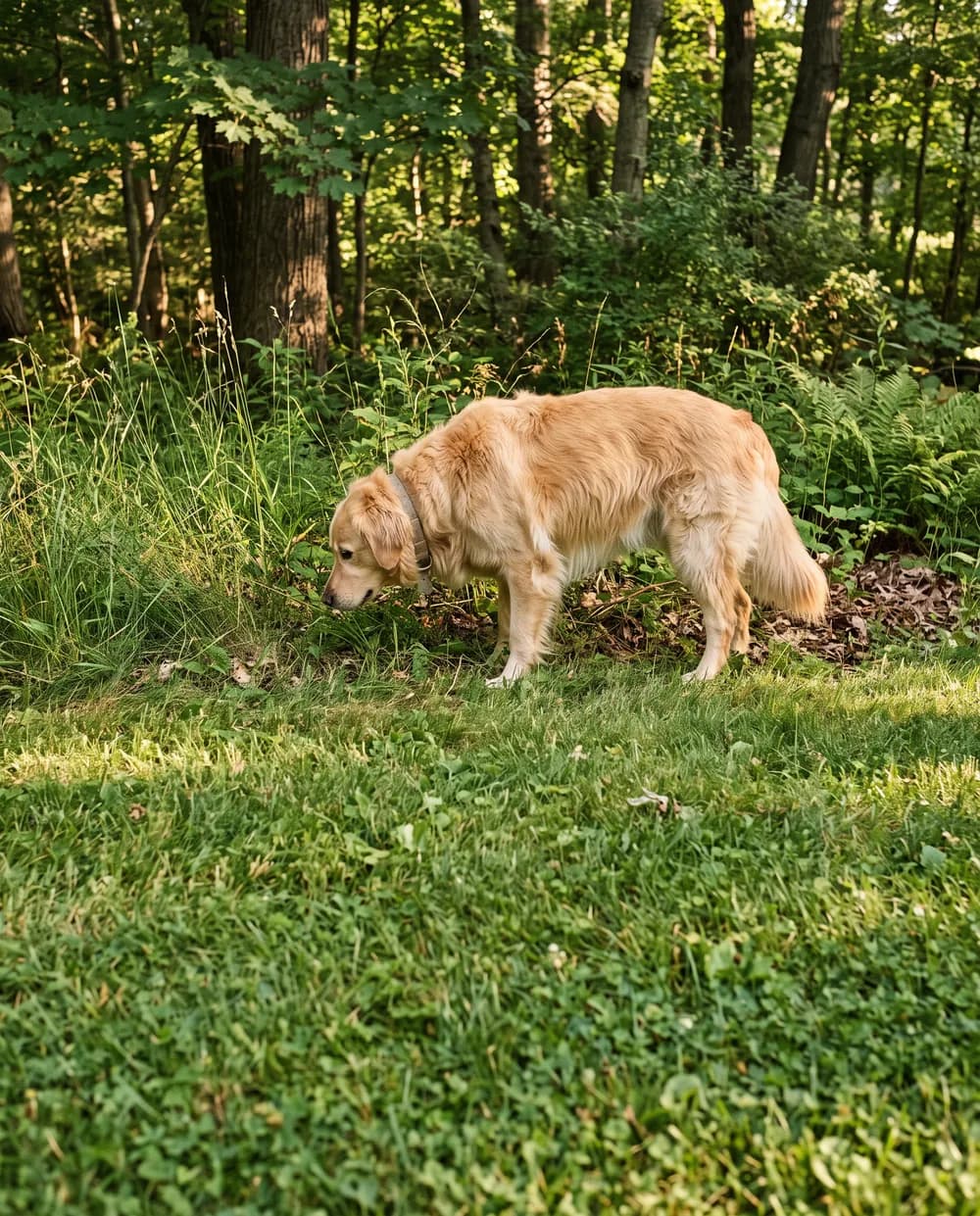
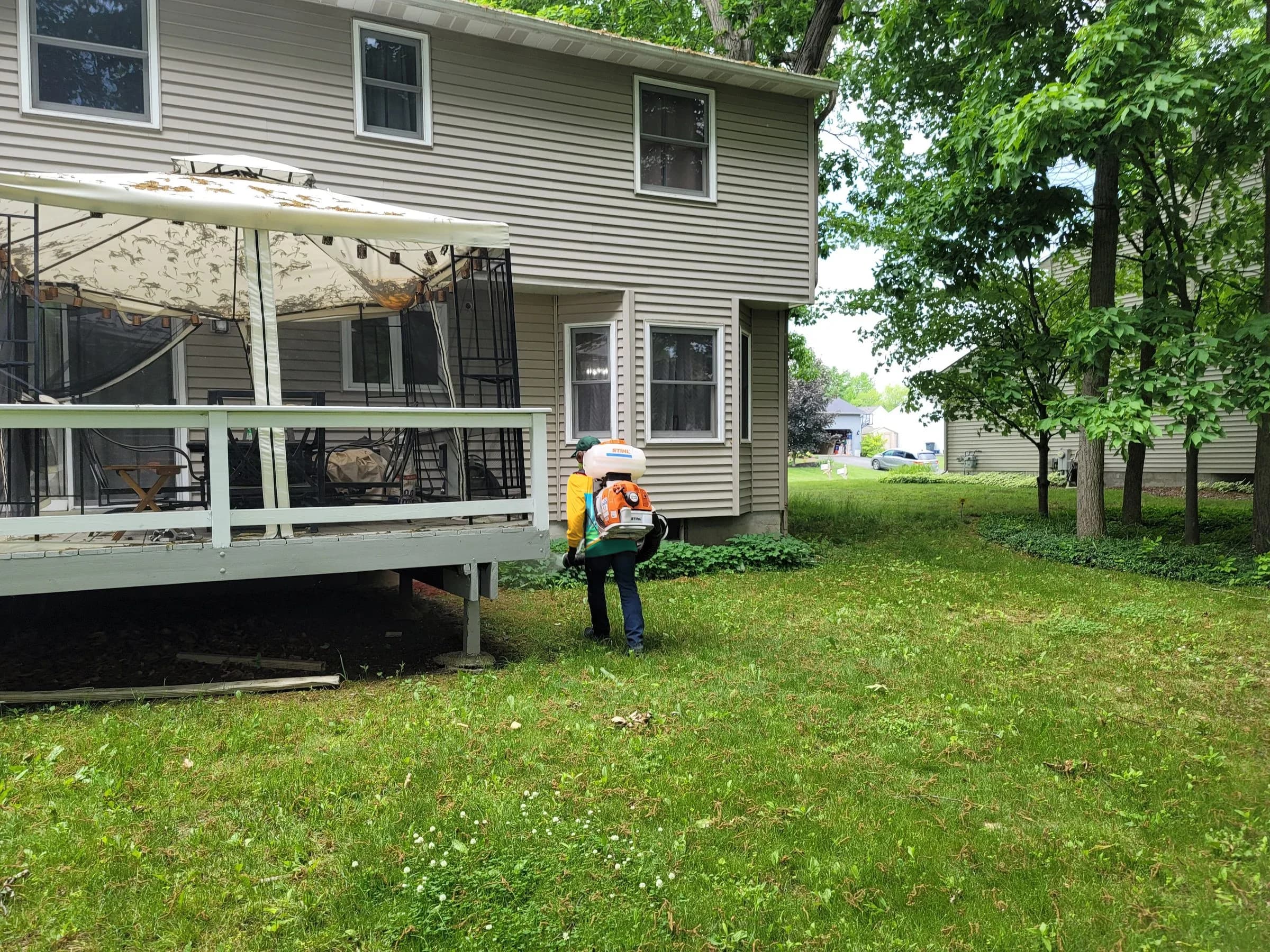
Those edges are where our mosquito and tick program treats.
Do ticks live in a mowed lawn?
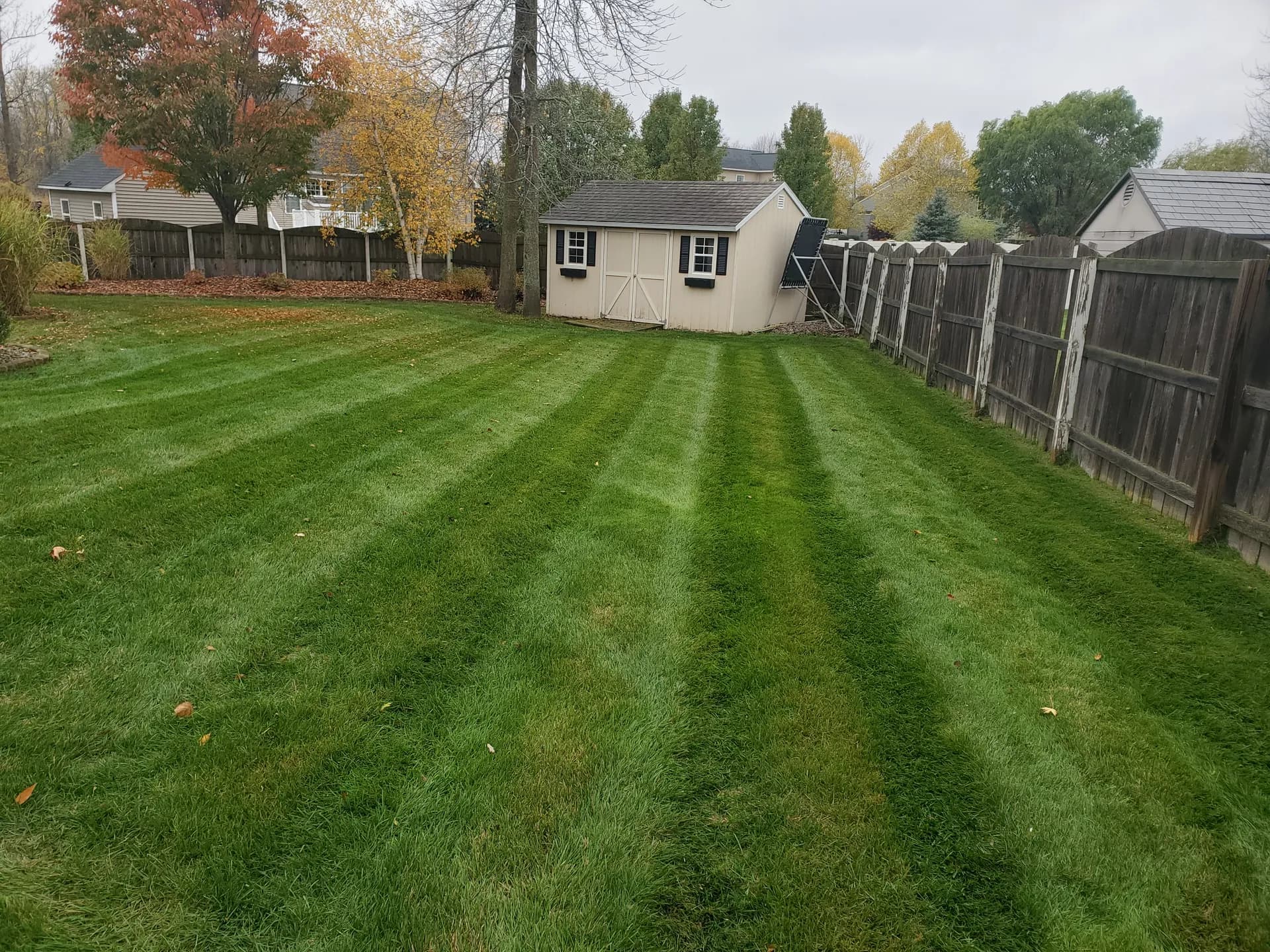
Not usually. Ticks need shade and moisture, so a sunny, regularly mowed lawn suits them poorly, and they can't survive long out in the open grass. They show up there mostly when an animal drops them: ticks ride on mice, chipmunks, birds and deer, then drop off wherever those animals roam. The shady edges where the lawn meets the woods are a different story.
That's why we look at the whole yard. The mosquito and tick program treats the edges where ticks wait, and Lawn Pest Defense treats the lawn's surface for fleas and ticks.
When ticks are active in Central New York
| When | Deer ticks | Happy Habitat |
|---|---|---|
| March and April | Adults are active from March to late April. | Season-long treatments start in mid to late April. |
| May to July | Nymphs, about the size of a poppy seed and easy to miss, peak in June and July. | Treating the wood lines, shrubs and shady edges where they wait. |
| August and September | Larvae peak from August to late September. | Into September, still treating where they wait. |
| October to December | Adults are back. The state health department collects them from October to December, when they're most often seen. | |
| Winter | Ticks can be active any time it's above freezing, even on a warm winter day. |
Why fall counts
It's easy to forget about ticks once summer ends, but adult deer ticks are out in force from October to December, and the state health department reminded New Yorkers in October 2024 that “ticks will still be active during the fall.” Adults are also more likely to carry Lyme disease bacteria. In 2023, when state staff tested ticks collected around Onondaga County, about a quarter of the nymphs (26%) and about half of the adults (49%) carried them. That's a snapshot from the spots they sampled, not a measure of any one yard.
In fall, keep up the habits below: a tick check after raking or yard work, pants tucked into socks, and a shower soon after you come in.
Tick-borne disease around Syracuse
Build a tick-safe zone
These steps from the CDC, Cornell and Onondaga County work alongside treatment, and they matter most where your family spends time.
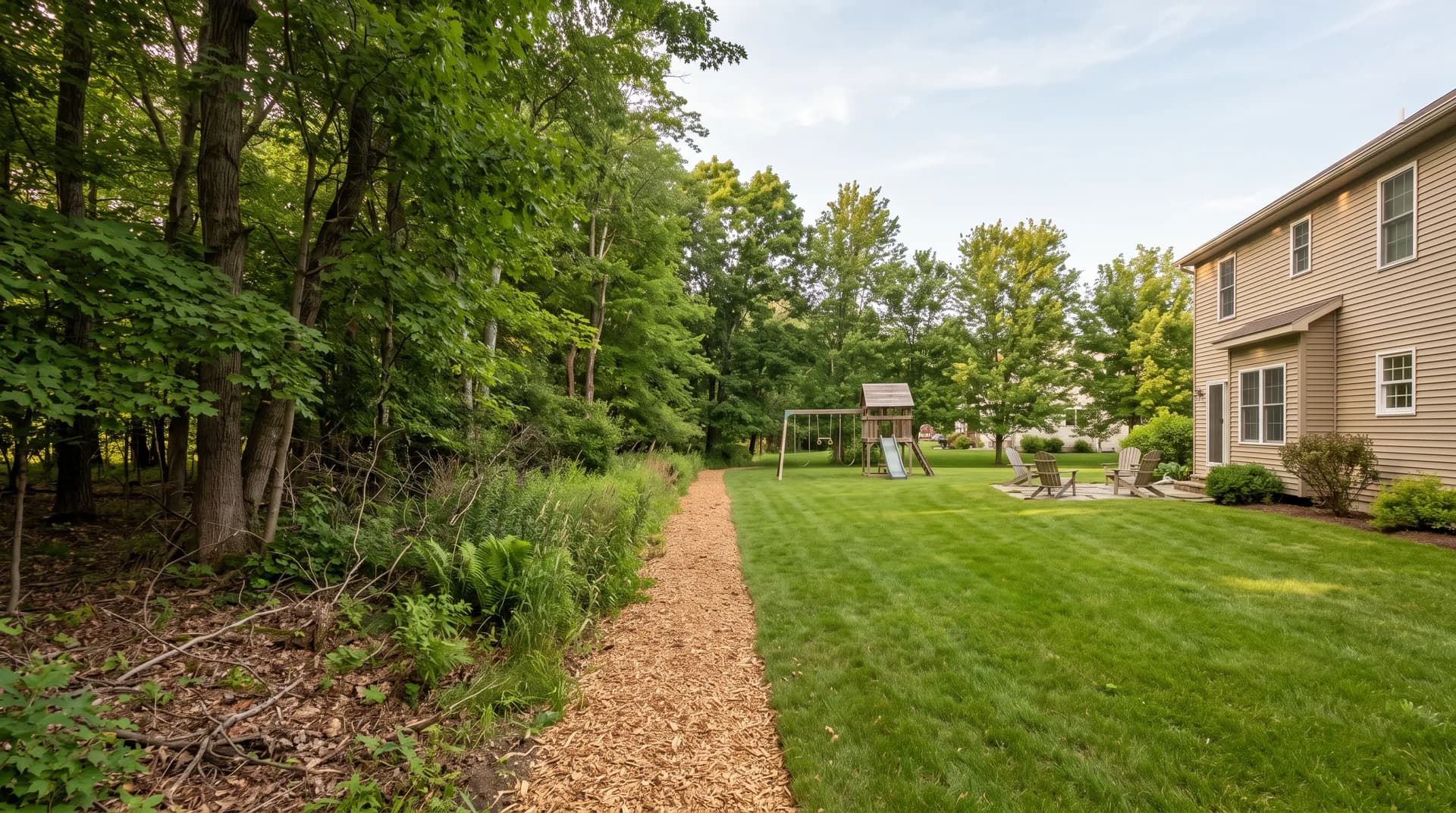
- Clear leaf litter, and cut back tall grass and brush around the house and at the lawn's edge. Short on time in the fall? Our fall leaf cleanup clears the leaves off the lawn.
- Mow often, and prune low branches so the places you play get sun.
- Lay a strip of wood chips or gravel about 3 feet wide between the lawn and the woods. Onondaga County calls it a tick-safe zone: a buffer between the woods and the places you play.
- Keep play sets, decks and patios away from the yard's edges and trees.
- Stack firewood neatly in a dry spot, and keep it, bird feeders and garbage cans away from the house, so mice and other animals that carry ticks don't hang around.
Protect yourself and your pets
- Do a full tick check after time outdoors, your own backyard included. Look behind the ears, at the scalp and around the waistband.
- Shower within two hours of coming in, and tumble dry your clothes on high heat for 10 minutes; damp clothes need longer, and if they need washing first, use hot water.
- Wear light colors, and tuck your pants into your socks.
- Check your pets after they've been outside, and talk to your vet about ways to protect them.
Found a tick?
Remove it right away with fine-tipped tweezers: grasp it right where it enters the skin, pull firmly and steadily upward, and clean the bite. Watch the spot for 30 days, and call your health care provider if a rash or flu-like symptoms appear. Onondaga County supports the Upstate Tick Testing Laboratory, which tests ticks residents find on themselves or their pets. The lab says its testing isn't a diagnosis or a basis for health care decisions, and a tick that tests positive doesn't confirm the person or pet was exposed, so your provider is still the one to see.
Fleas: the pet and the yard
Fleas are a different problem from ticks, and a quick one: a flea's life cycle takes about a month, depending on heat and humidity. Beating them takes work on two fronts.
Your pet
Talk to your veterinarian about flea control that's right for your pet; the CDC recommends treating pets year-round.
Your yard
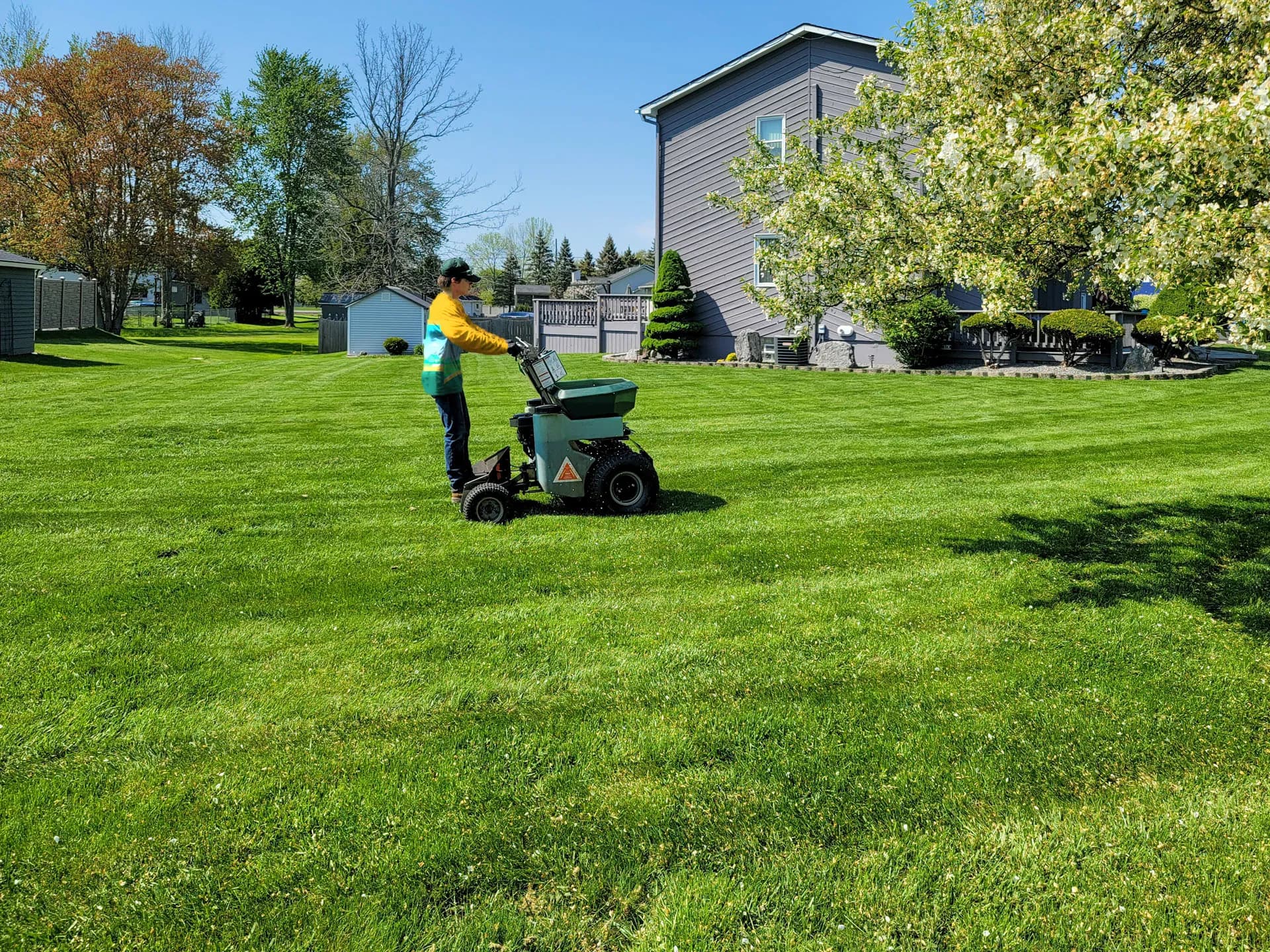
Outside, fleas stick to the shade, since they can't stand the sun for long, and they thrive where it's damp. Wildlife brings them in: as Cornell's veterinary college puts it, “skunks, raccoons and other wildlife will seed your backyard with fleas,” and treating the pet while leaving its surroundings won't solve the problem. That's what Lawn Pest Defense is for: it treats the lawn's surface for fleas and ticks, along with surface ants and chinch bugs. Help it along: mow, rake out debris, keep the yard dry, and clear brush, rock piles and cluttered firewood.
Inside
Our treatments stay outdoors, so inside the house is your vet's and your vacuum's job: vacuum carpets, rugs and furniture cushions often, and wash pet bedding.
Which option fits your yard?
Happy Habitat has three ways to help with fleas and ticks, and each treats a different part of the yard:
- The season-long mosquito and tick program treats the trees, shrubs, wood lines, under porches and the shaded edges where ticks wait and mosquitoes rest, from mid to late April into September. It's the one to pick when mosquitoes bother you too. More on the program, and why mosquitoes are so bad here.
- Lawn Pest Defense treats the lawn's surface for fleas, ticks, surface ants and chinch bugs. On a mosquito and tick estimate, the Better level adds it to the program, so the edges and the grass are both covered. What lives where in a lawn.
- The one-time flea and tick knockdown covers everything from about chest height down, for fleas and ticks both: the lawn, garden beds, mulch, stones, shrubs, wood lines, the house perimeter and stone or retaining walls. It's for a heavy flea or tick area, or for anyone who'd rather skip a season-long program. More on the one-time knockdown.
When fleas and ticks are your main concern, your estimate asks, “One-time knockdown, or season-long protection?” “Not sure yet” is a fine answer too. See the towns we serve.