
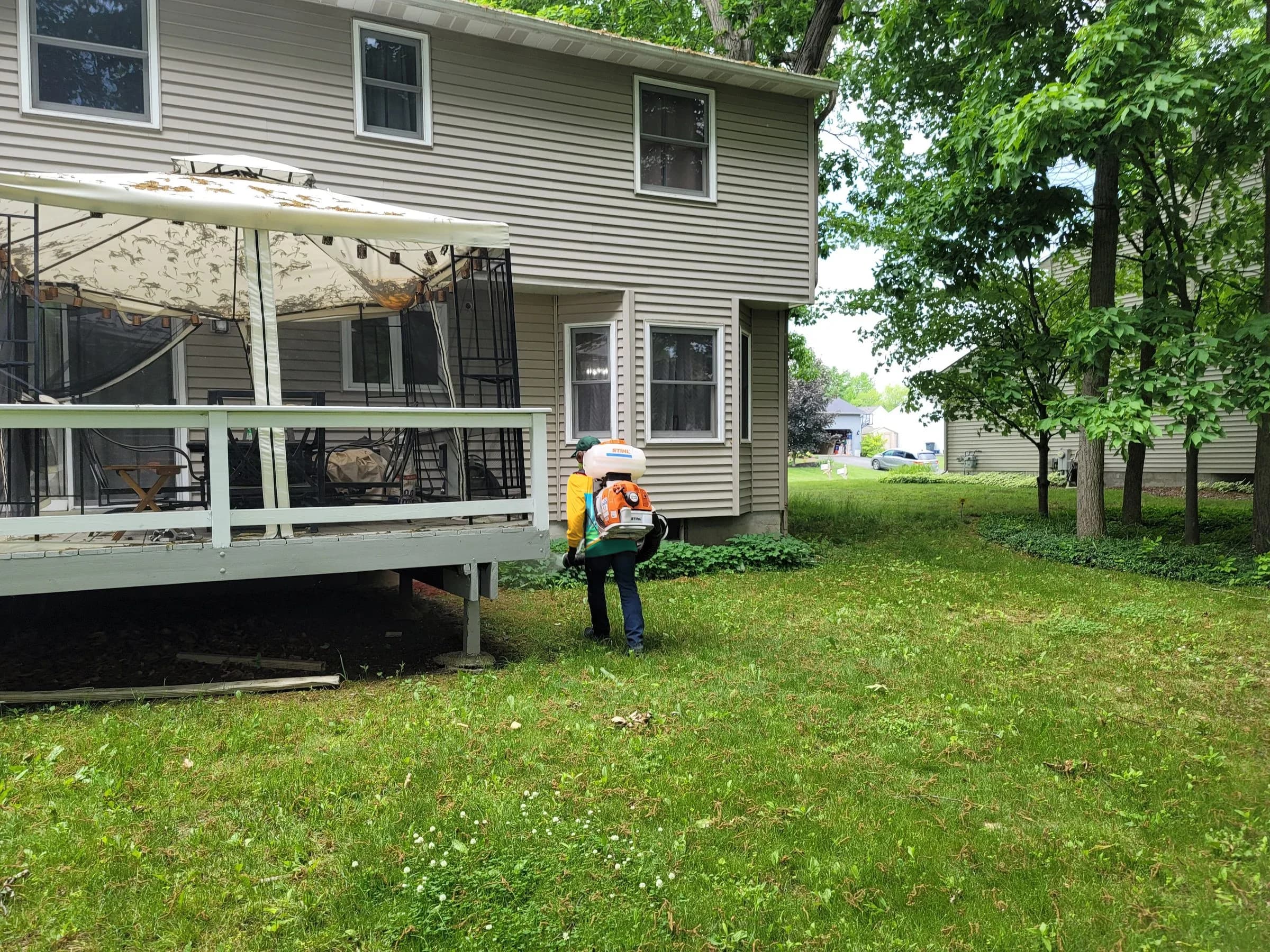
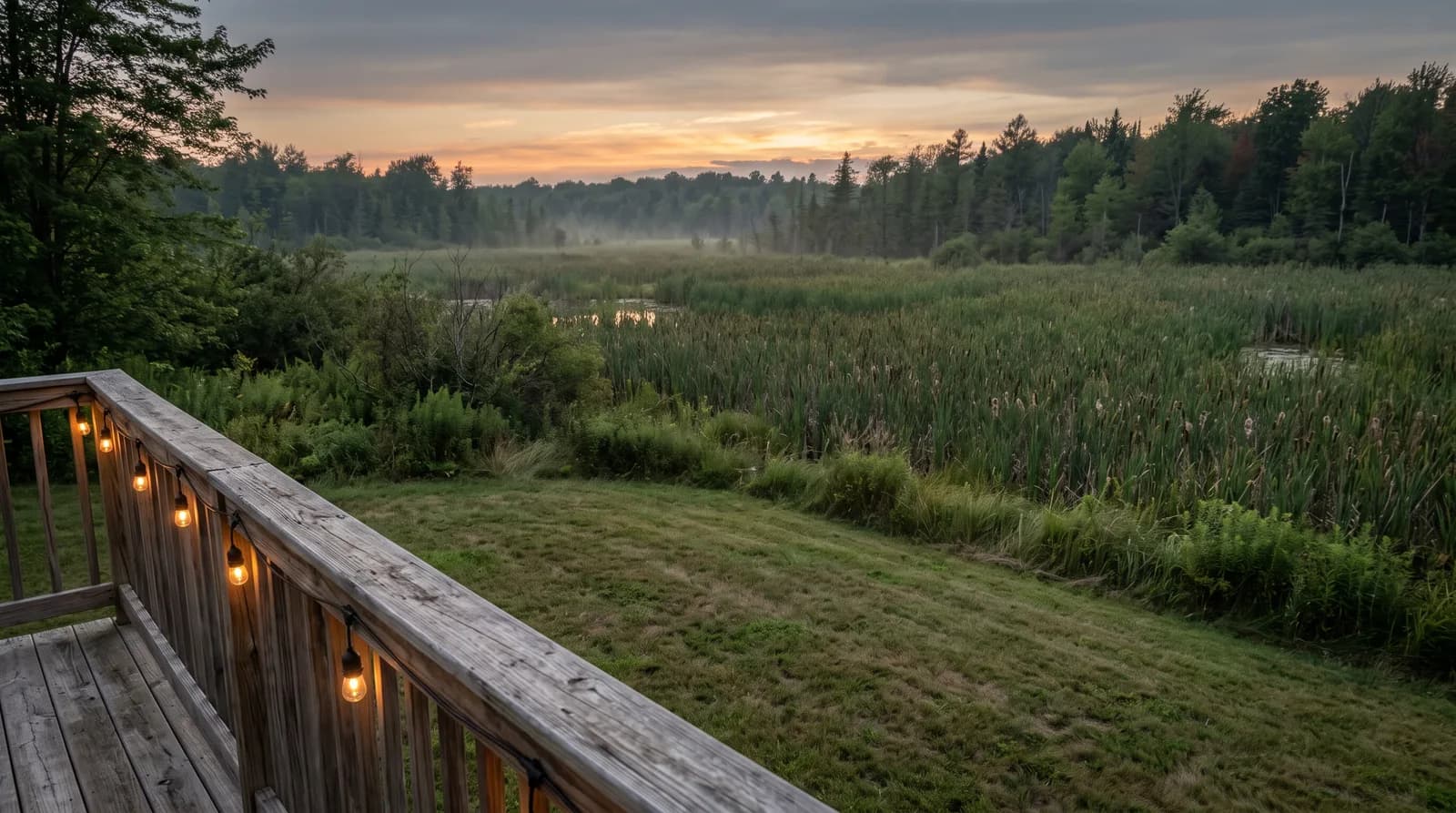
If you live around Syracuse, you know the feeling: you step onto the deck at dusk and the swatting starts. Central New York has everything mosquitoes love: wetlands, summer rain and plenty of shade. Here's why they're so thick here, where they hide in your yard during the day, and what it takes to get your evenings back.
Why Central New York gets so many
Wetlands at the edge of town
North of Syracuse, Cicero Swamp covers 4,991 acres of the towns of Cicero and Sullivan: a low, wet wetland of sphagnum moss, black spruce and tamarack. New York's health department names Onondaga, Oneida, Madison and Oswego counties, around Oneida Lake, as the highest-risk area in the state for eastern equine encephalitis. Onondaga County runs mosquito traps at 19 sites and has caught about 117,000 mosquitoes a year over the last five years.
Not every mosquito is the same
New York has about 70 kinds of mosquitoes, and the ones in your yard come from different places:
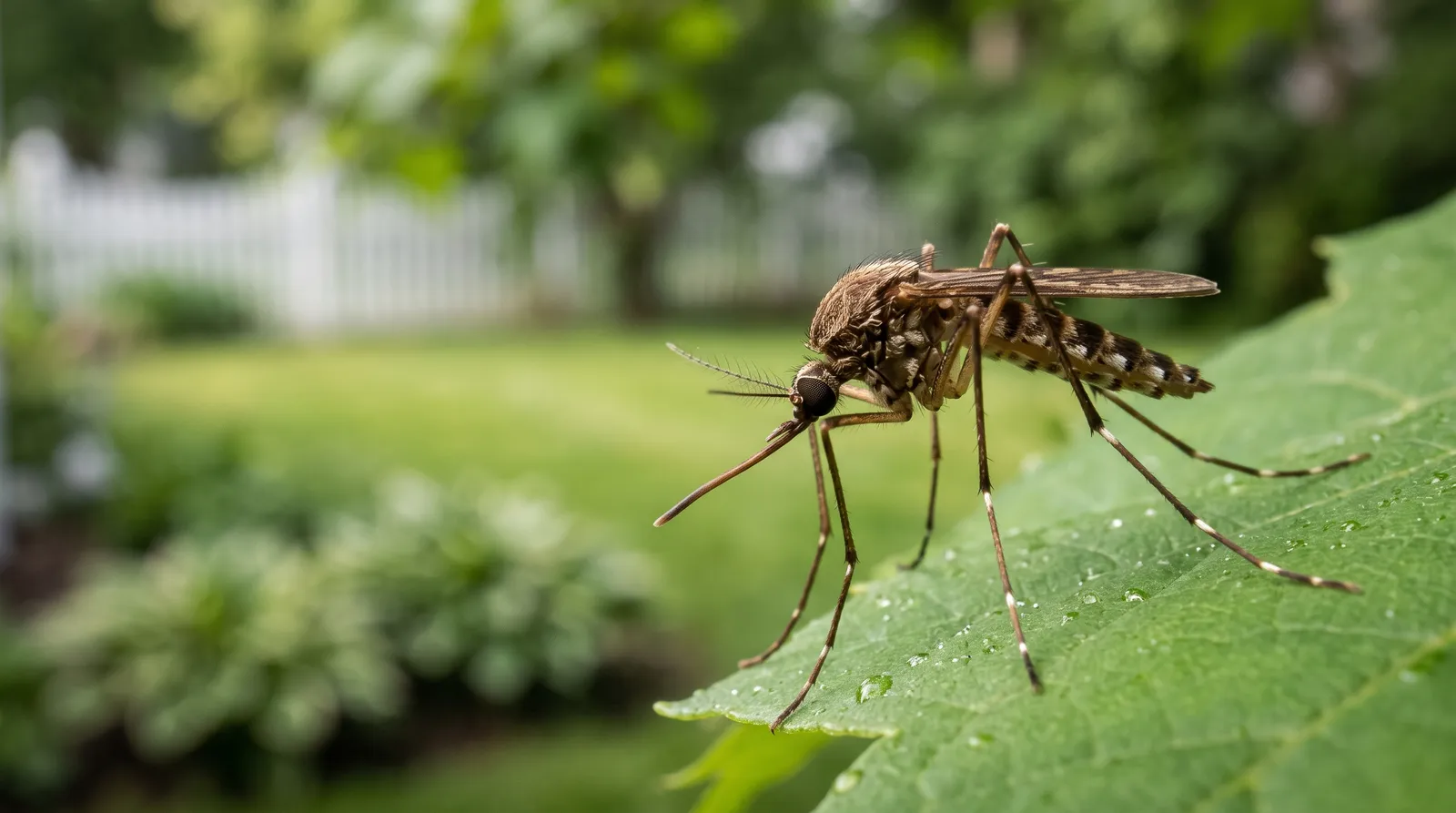
- Container mosquitoes lay eggs on the inside walls of anything that holds water, just above the waterline. They need only a little water, the eggs can survive drying out for up to 8 months, and an egg becomes a biting adult in 7 to 10 days.
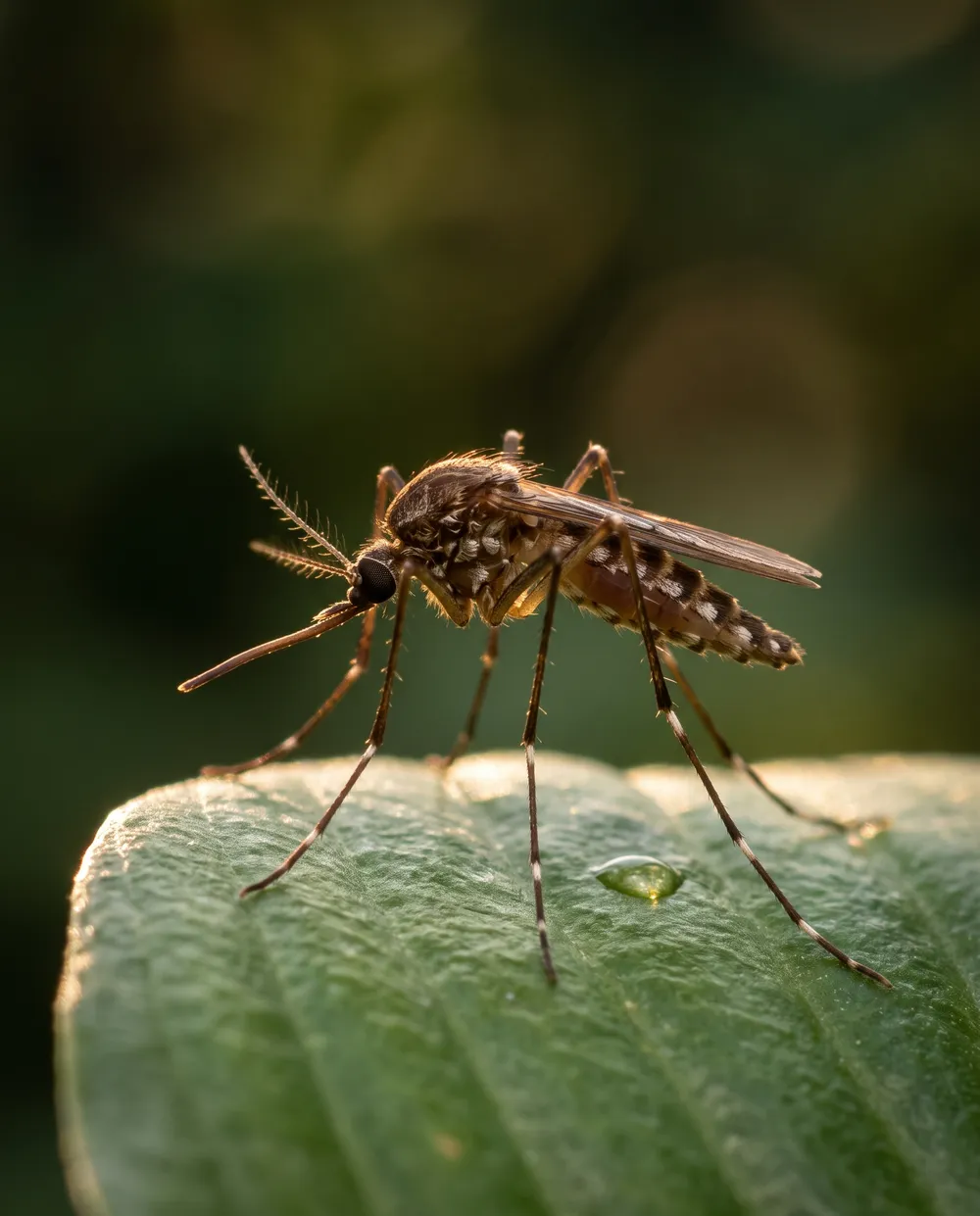
- Culex mosquitoes, which can spread West Nile virus, breed in standing water from ponds to small containers and are most active from dusk to dawn. They usually stay close to home but can fly up to 2 miles.
- The cattail mosquito lives in permanent freshwater wetlands; its young attach to the roots of cattails and breathe through the plant. Adults bite mostly in the early evening, and in shady spots during the day, and the females are strong fliers, traveling up to five miles. Onondaga County's environmental health director credits its hatch for the county's midsummer peak.
That's why dumping your own buckets helps with container mosquitoes, but the ones born in a wetland a mile away still find your deck. That's where treating the shady spots they rest in comes in.
Mosquito season around Syracuse
| When | Mosquitoes | Happy Habitat |
|---|---|---|
| Mid to late April | Still cool. The last spring freeze at Syracuse's airport comes around April 29 in a typical year. | Season-long treatments start. |
| Late May and June | The season builds. The county's 2021 trap counts begin with the week ending June 3. | Treating where they rest. |
| July | The peak. In 2021, county traps caught 21,312 mosquitoes in the single week ending July 15. | Treating where they rest. |
| August and September | Numbers ease, but this is when the county most often finds West Nile and EEE in mosquitoes. Traps still caught more than 12,000 a week in mid-September 2021. | Into September, still treating where they rest. |
| October | Numbers fall as nights cool. The county advises protection until the first frost, which comes around October 19 in a typical year. |
Where mosquitoes hide during the day
Adult mosquitoes spend the day resting in “cool, dark, damp and protected locations, such as in vegetation,” as the University of Missouri Extension puts it. In a Central New York yard, that means:
- Shrubs and foundation plantings, especially on the shady side of the house.
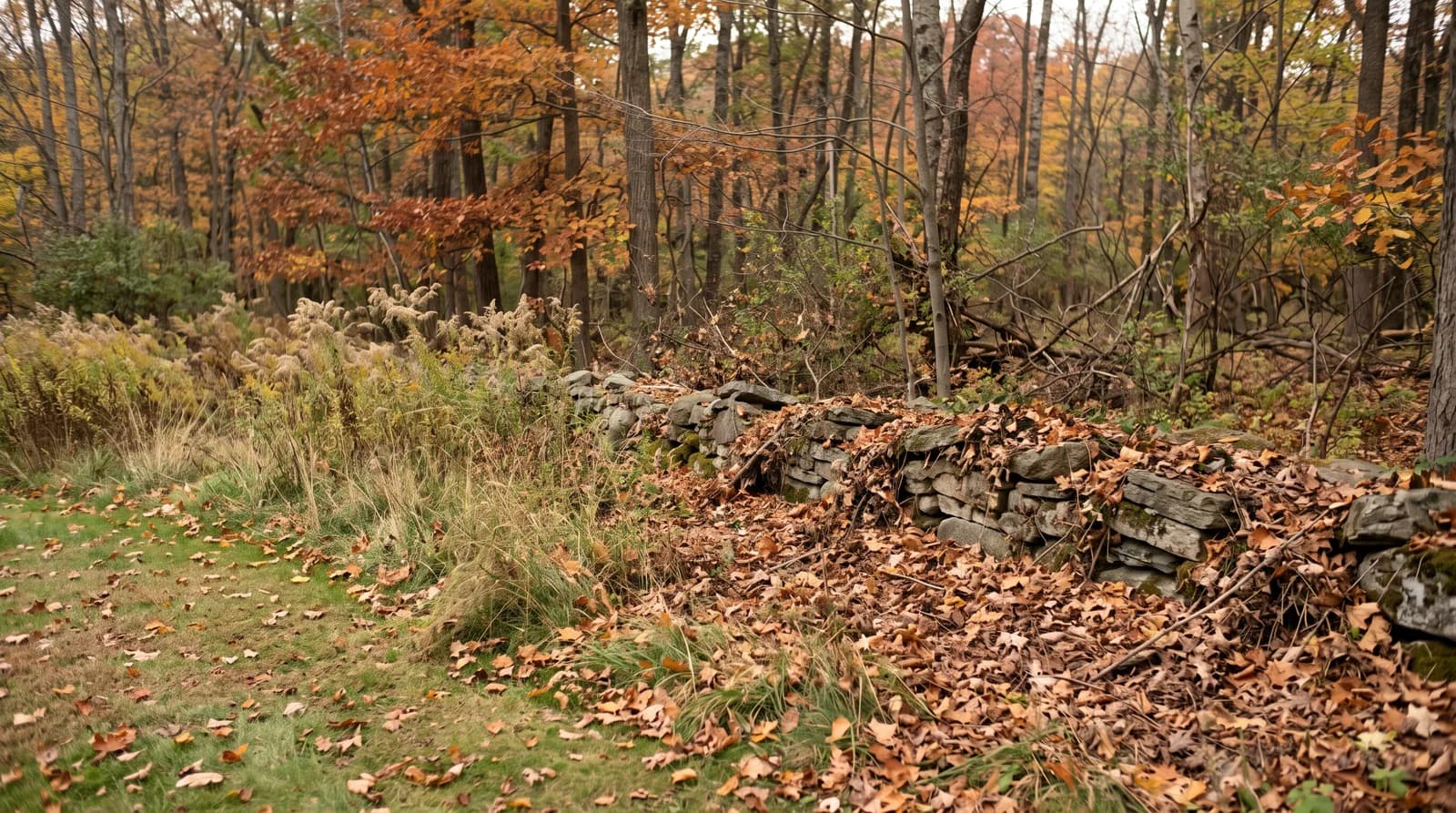
- Tree lines, hedgerows and wood edges.
- Under the deck and porch.
- Tall grass and weeds near the house, so keep them cut.
Shady corners and wood lines
Shrubs, tree lines and under the deck: where mosquitoes spend the day.

The deck at dusk
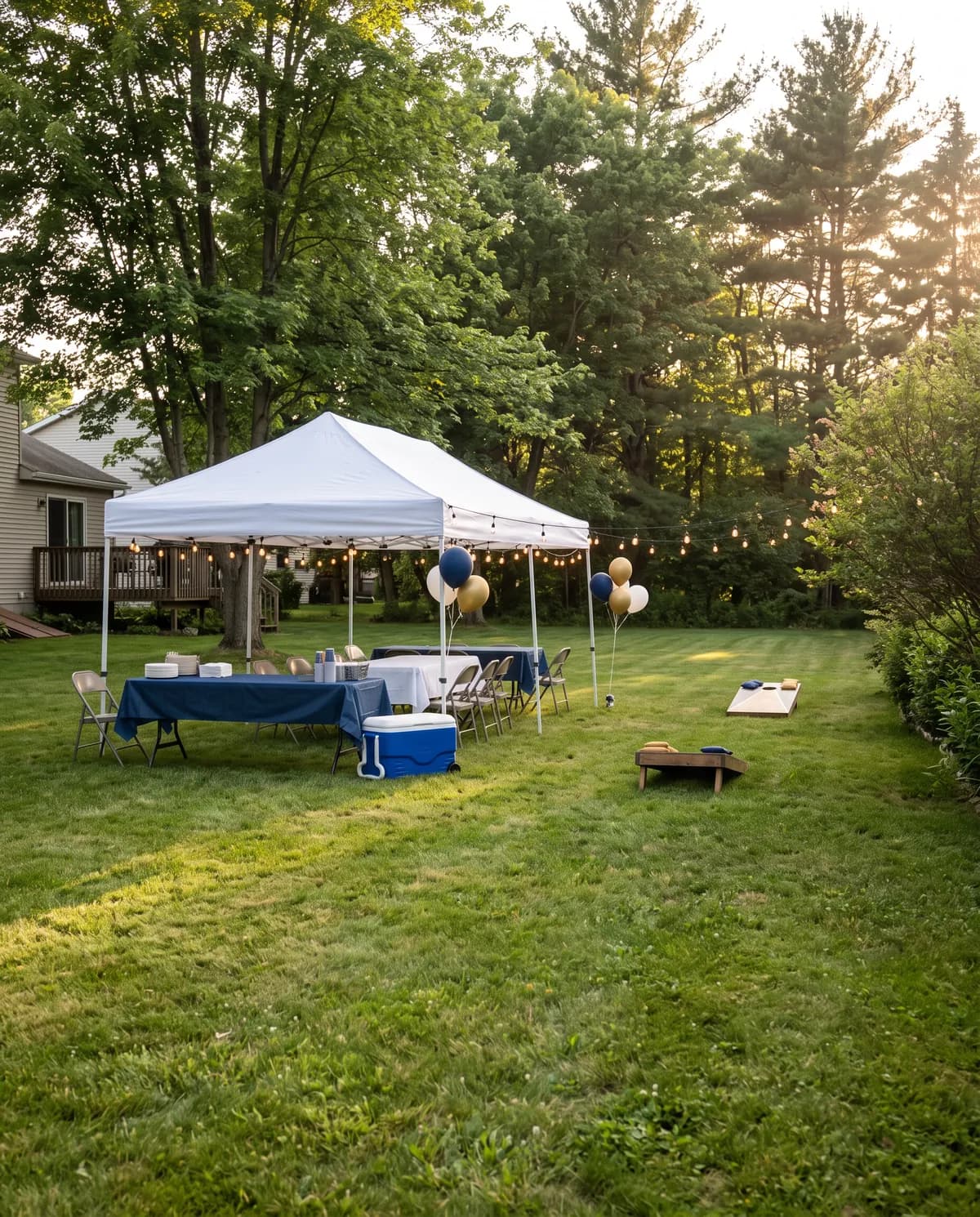
They rest in the shade nearby, then come out as the light fades.
Those are exactly the spots our mosquito program treats.
What helps between treatments
The standing-water walk-through
Onondaga County's list, worth a weekly walk after rain:
- Throw away containers, pots and anything else that holds water, and get rid of old tires.
- Drill holes in the bottoms of recycling bins kept outdoors.
- Clean clogged gutters, and drain water off pool covers.
- Turn over wheelbarrows and wading pools when you're not using them.
- Change the water in birdbaths at least every four days.
- Clear plants and debris from pond edges, and fill low spots where water sits.
Trim the hiding places
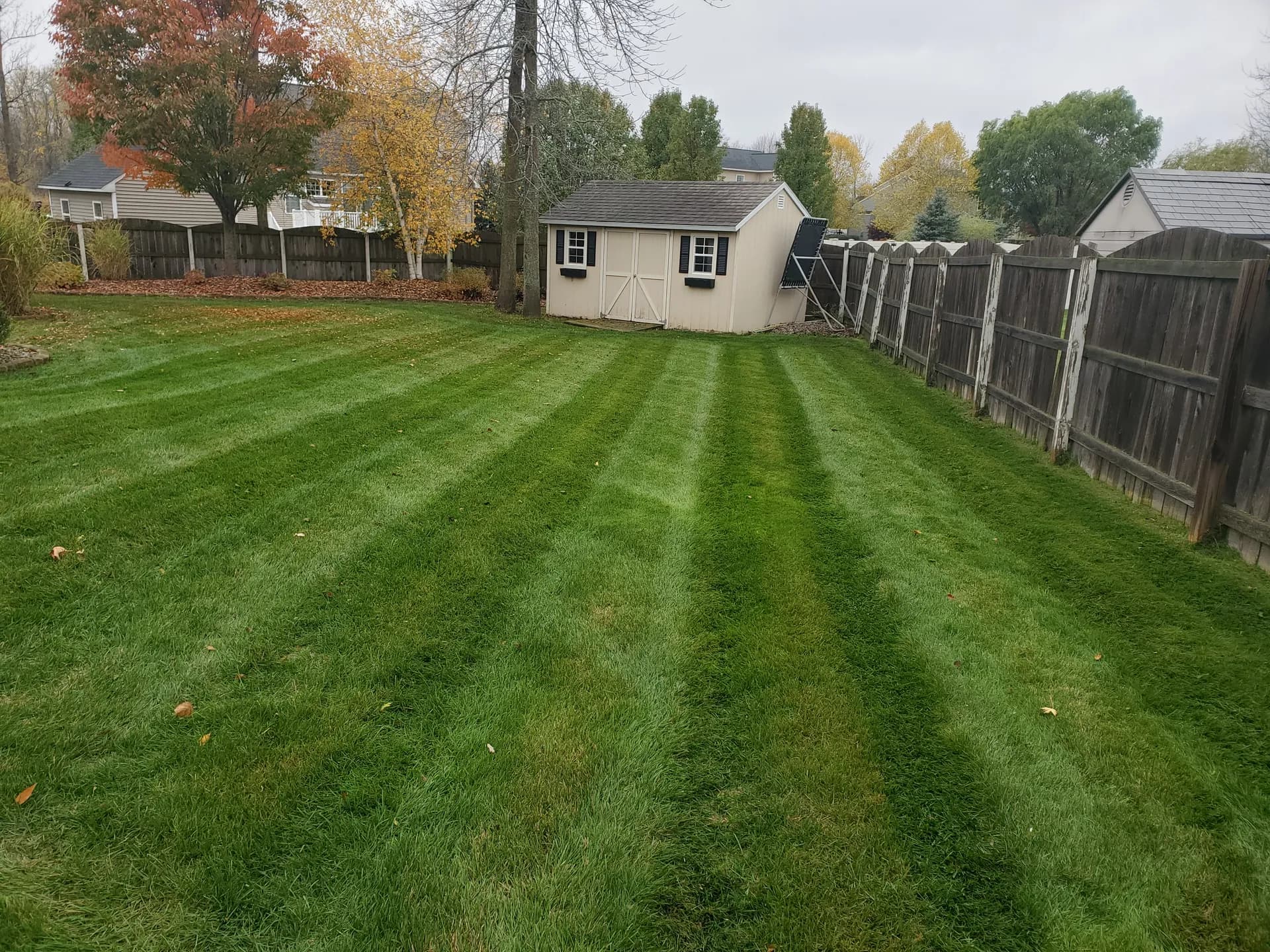
Keep grass and weeds near the house cut, and thin out dense shrubs where you can.
Protect yourself
The county recommends a repellent with 20% picaridin or 10% to 30% DEET (no more than 30% DEET on children, and none on babies under 2 months), clothing treated with 0.5% permethrin, and good window screens.
West Nile and EEE around Syracuse
Planning a party or a graduation?
For a graduation, wedding or backyard cookout, the one-time knockdown treatment covers wood lines, trees, shrubs, under decks and porches, and the other spots where mosquitoes and ticks hide. It's typically done a few days before the event, weather permitting, and it's designed to help reduce mosquito and tick activity for your day. Tell us the date when you ask for your estimate. More on the knockdown treatment.