
The short answer: no. Cold weather slows ticks down, but deer ticks (blacklegged ticks, the ones that carry Lyme disease) don't die off or disappear for the winter. Adult deer ticks are active from October into May, any day the temperature stays above freezing. The New York State Department of Health puts it plainly: ticks “are active into the fall and pose a serious health risk to humans and pets.”
A warm winter day is a tick day
Deer ticks look for a host whenever it's warm enough for them to move, usually above freezing. The odds are highest when the ground has thawed and it's above freezing, as long as they aren't covered by snow. So a mild afternoon in December, a January thaw or the first soft days of March all count, especially for a dog nosing along the edge of the woods.
Where ticks spend the winter
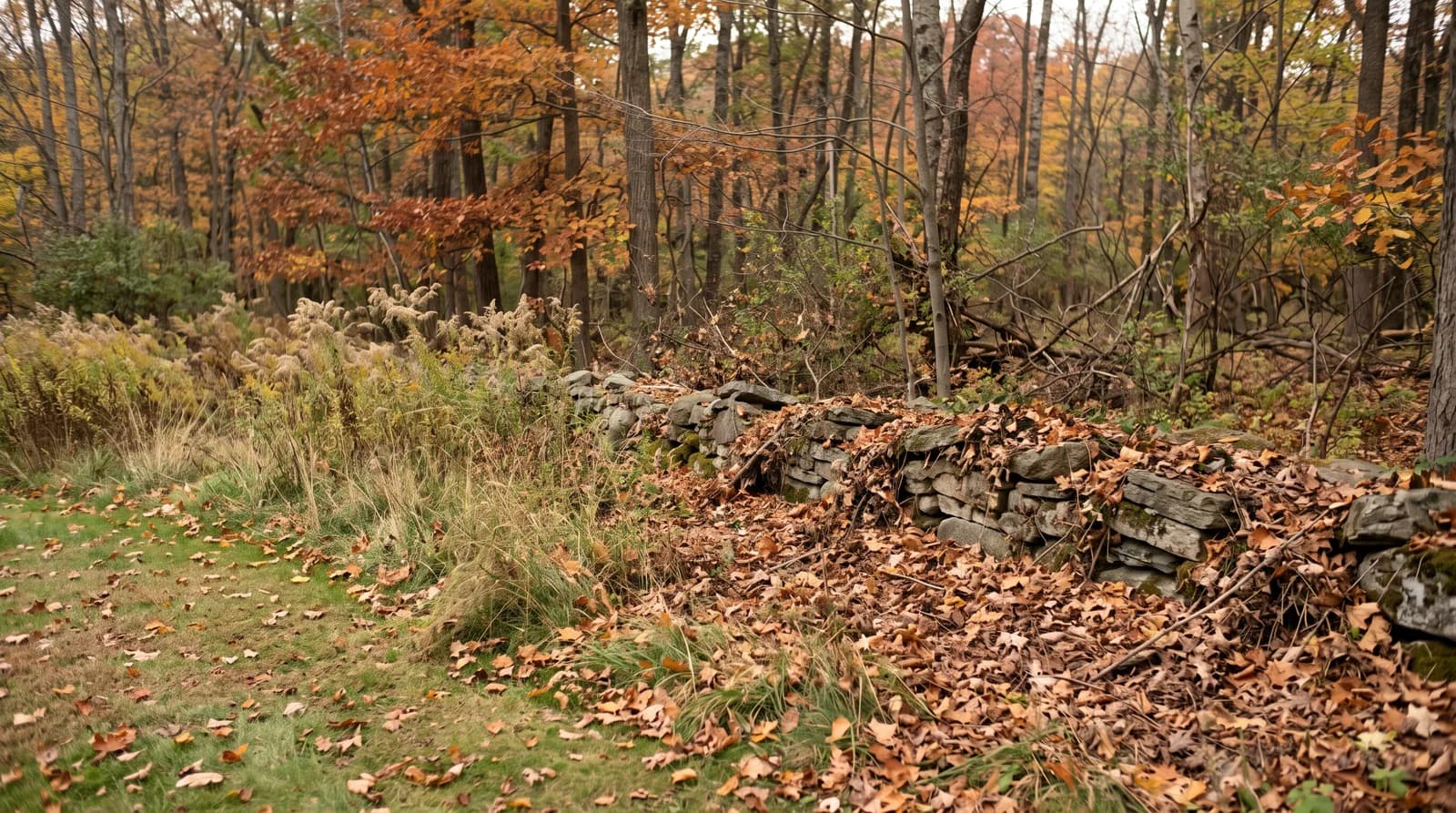
Ticks wait out winter in leaf litter, mostly along shaded, wooded edges: the same places they wait all summer. And a cold winter isn't a free pass. Adult deer ticks can survive freezing weather by sheltering in leaf litter, so the ticks at the edge of your yard in November are still there in March.
What you can do this winter
None of this replaces treatment, but all of it makes your yard less friendly to ticks:
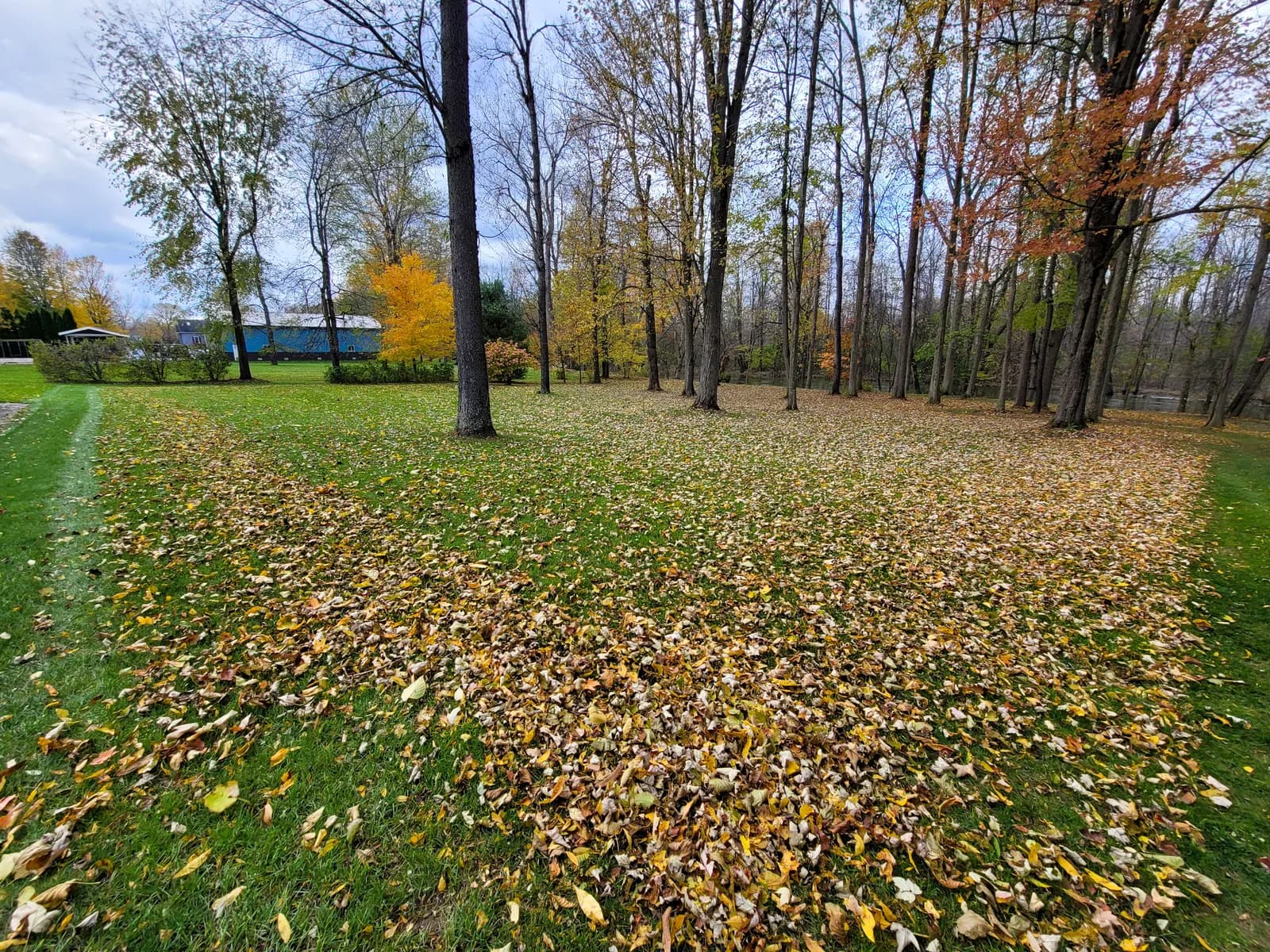
- Clear leaf litter where your family and pets spend time, and keep it off the edge of the lawn.
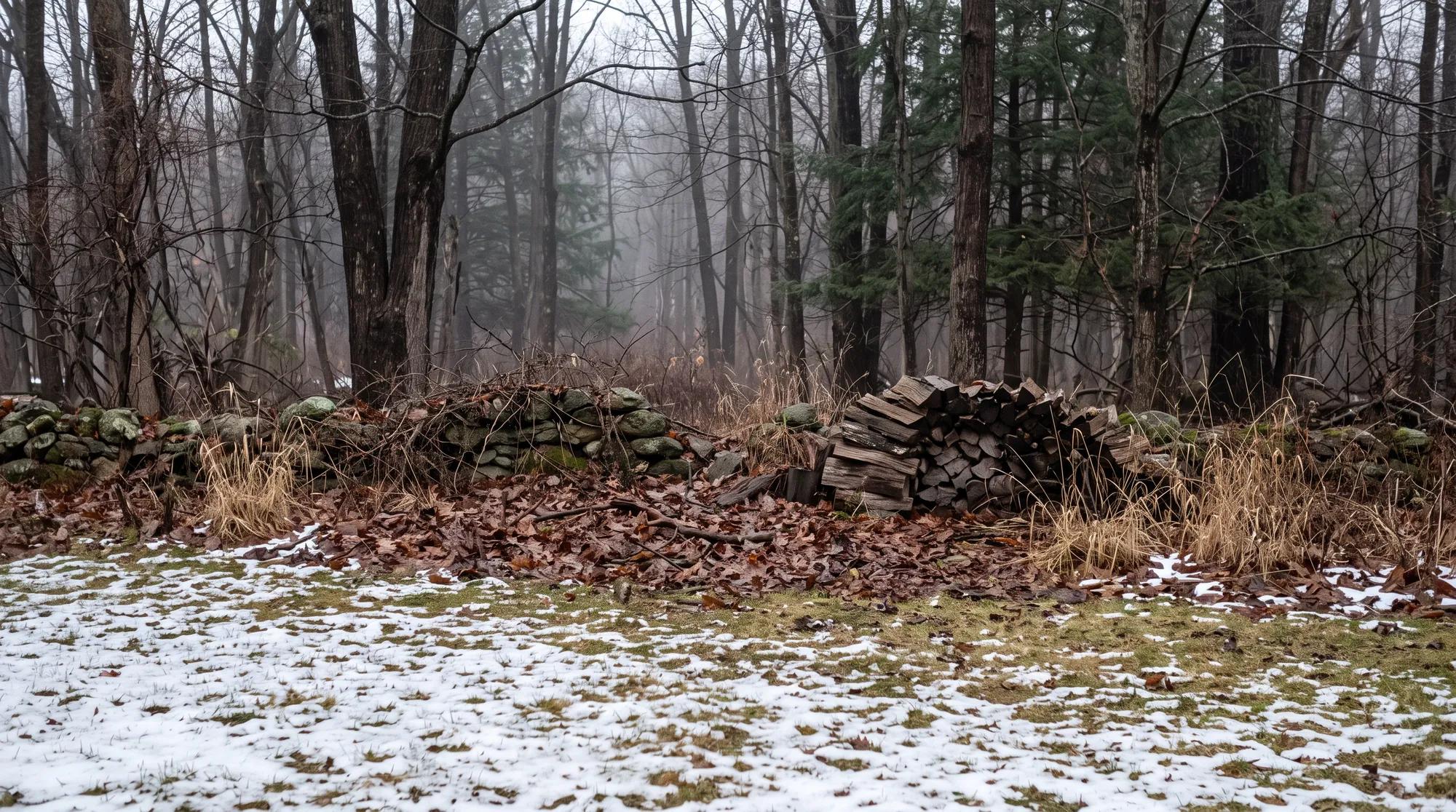
- Stack firewood neatly in a dry spot, away from the house. It discourages the mice ticks feed on, and bird feeders and anything else that draws wildlife are best kept well away from the home too.
- Check your dog after every walk, even in winter, and ask your vet about tick prevention.
- Check coats and gear after time in the woods or tall grass.
Spring is when tick season picks up
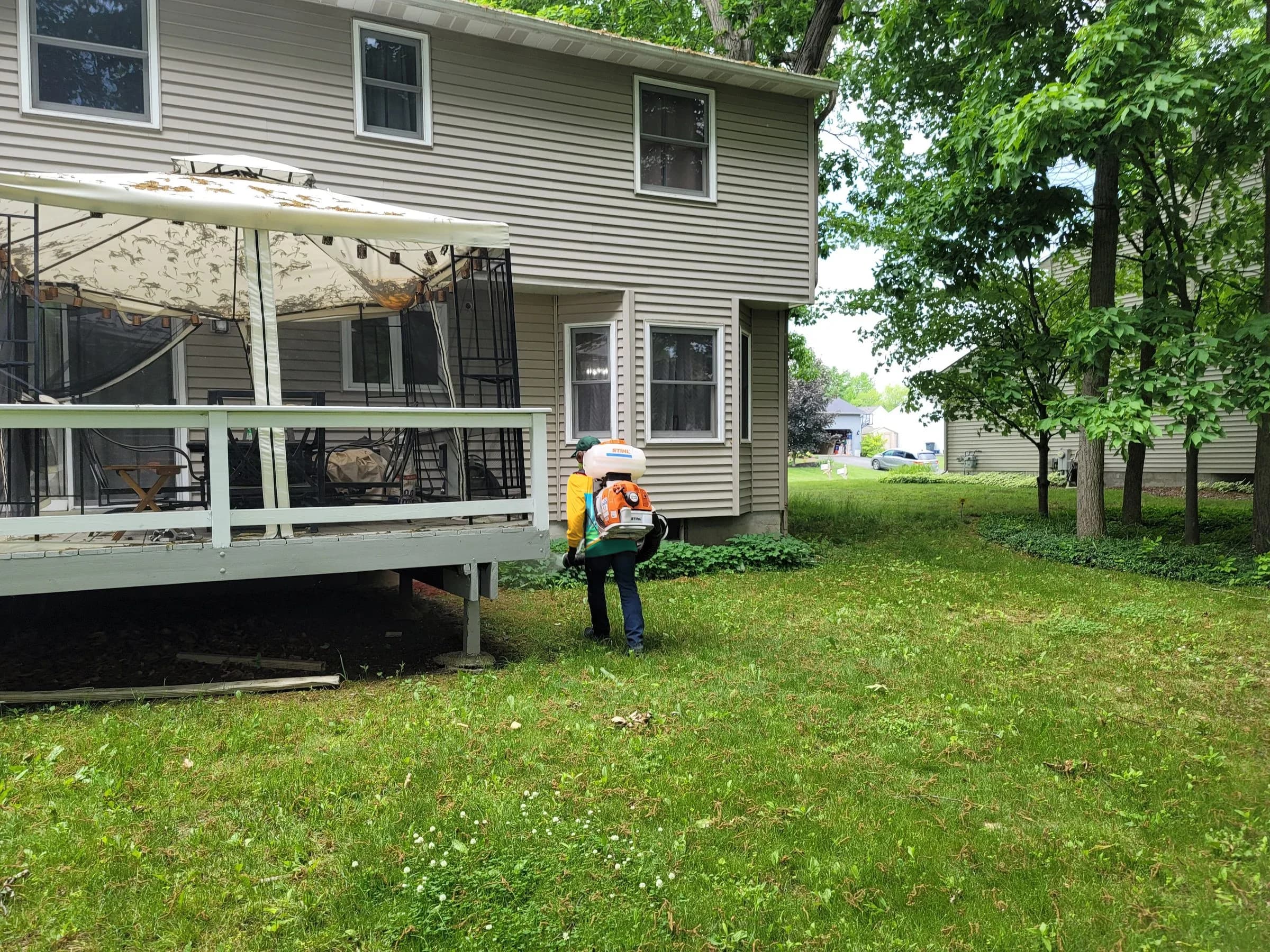
Adult ticks' spring activity usually peaks in April, and the tiny nymphs, about the size of a poppy seed, follow: in New York they're most active in June and July. That's why our mosquito and tick program starts in mid to late April and treats about every three weeks through September, focused on the trees, shrubs, wood lines and shade where ticks wait.
Want the full picture? Our guide to ticks and fleas in your yard covers where ticks wait, what they carry in Onondaga County and how each treatment helps.