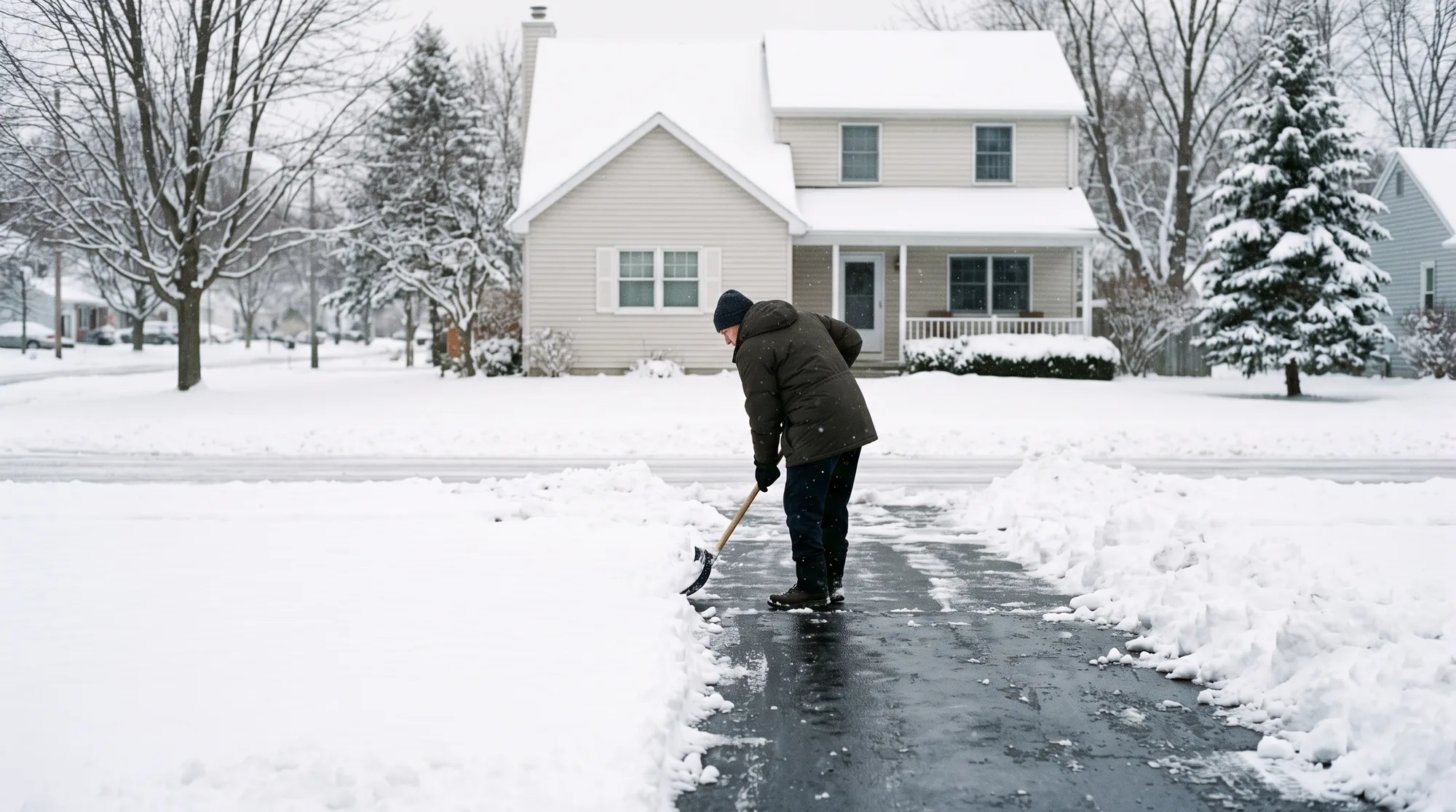
Syracuse averages about 128 inches of snow a year, and every inch of it means plows, shovels and salt. The salt keeps drives and walks safe. It's also why so many Central New York lawns come out of winter with a brown, dead strip right along the driveway, the sidewalk and the road.
What salt does to grass
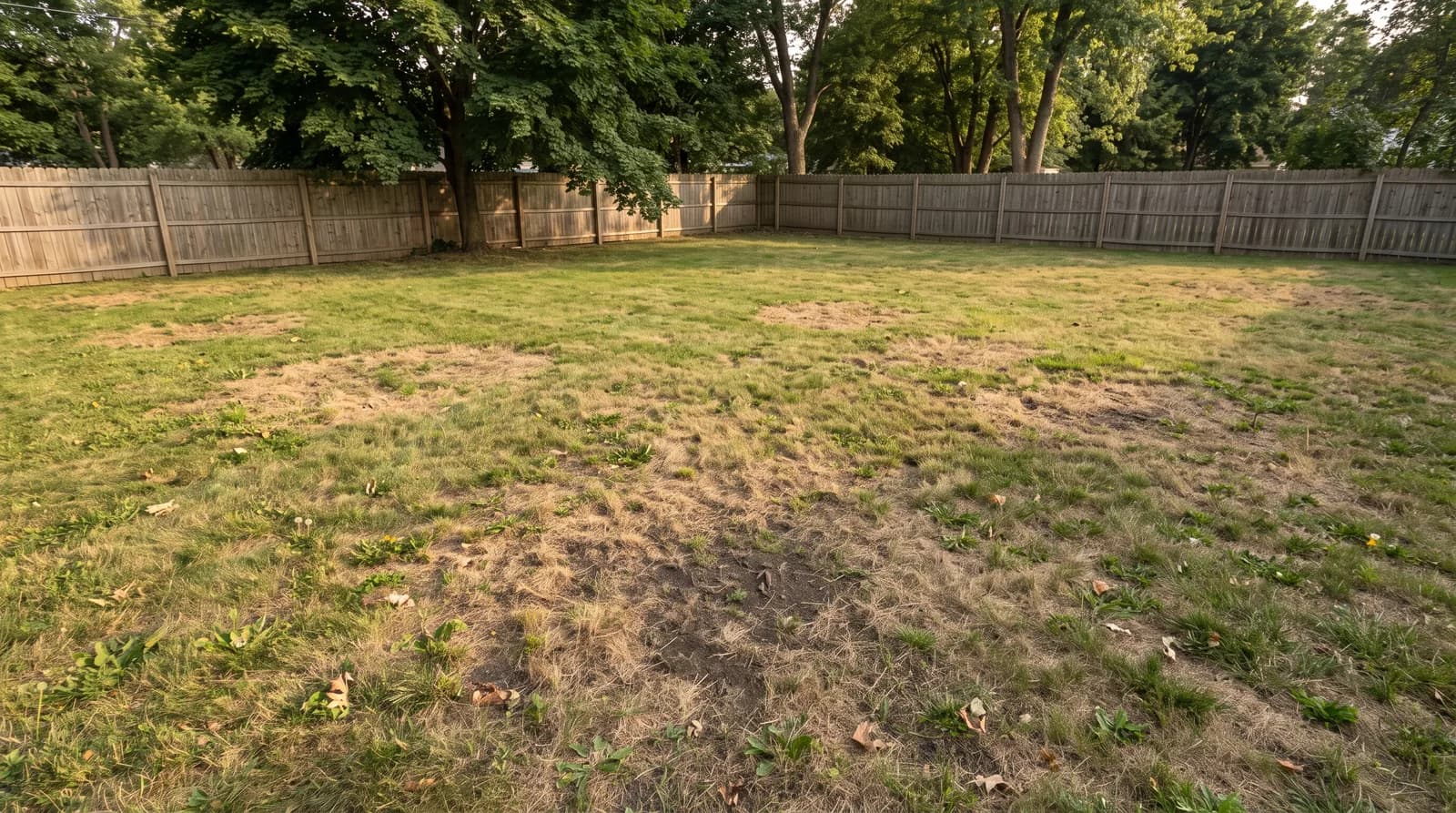
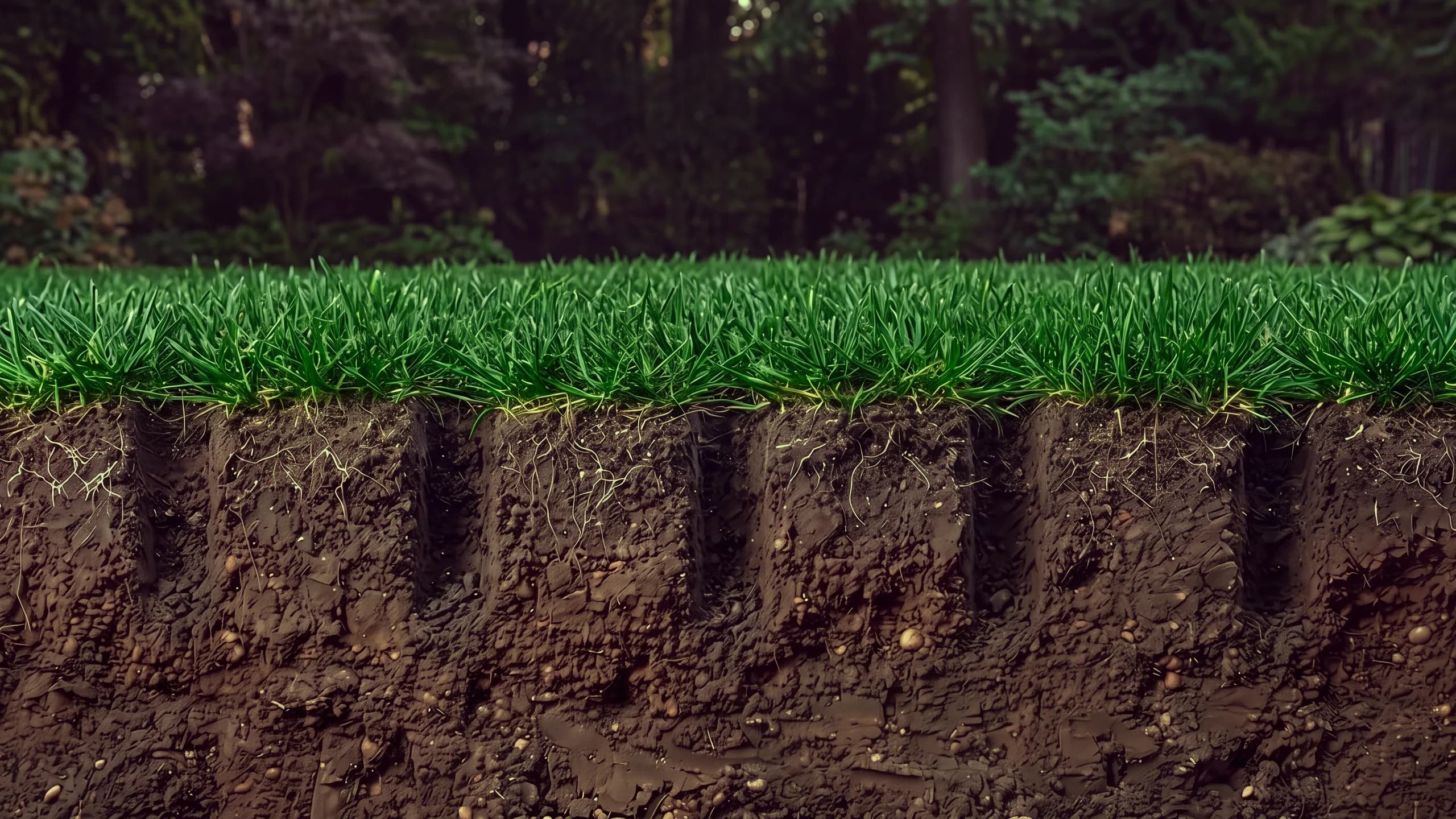
Deicing salt can leave bare spots along sidewalks, driveways and roads. It can keep new seed from sprouting and damage young grass, and it stresses the grass that survives, which leaves it open to insects, disease and weeds. Over time, salt also breaks down the soil's structure. The damage hides under the snow all winter and shows up as dead, brown strips in April and May.
Along the road, it isn't only the snowbank. Plows throw salty slush and spray onto the lawn, and most of that damage lands within about 60 feet of the road.
Protecting the edges this winter
- Shovel first, then salt. Clear as much snow and ice as you can by hand or blower before any salt goes down. The less salt, the less damage.
- Use only what you need. New York's Department of Environmental Conservation says a 12-ounce cup of rock salt treats about 250 square feet, and rock salt stops working well below 15 degrees.
- Choose a gentler ice melt near the grass. Calcium chloride is easier on turf than rock salt, though it can still cause problems. Sand adds traction without the salt, and you can sweep it up in spring.
- Keep salty snow off the lawn. Don't plow or shovel salt-laden snow onto the grass. Pile it where the melt won't soak the lawn you care most about.
What helps in spring
Once the ground thaws, a good soaking helps wash the salt down past the roots, if the soil drains (a few spring rains may do it for you). If a strip along the drive needs reseeding, perennial ryegrass, fine fescues and tall fescue stand up to salt better than Kentucky bluegrass.
Through the season, our lawn program feeds and cares for your whole lawn, the edges along with the rest. And if you're not sure a brown strip is salt, our guide to thin, patchy and brown lawns helps you tell it from grubs, drought and the rest.