
Family-owned in Kirkville. Caring for Central New York.
Google rating 5.0 on Google(315) 559-0727Customer Login (opens in a new tab)
Happy Habitat. Lawn, mosquito, pest.
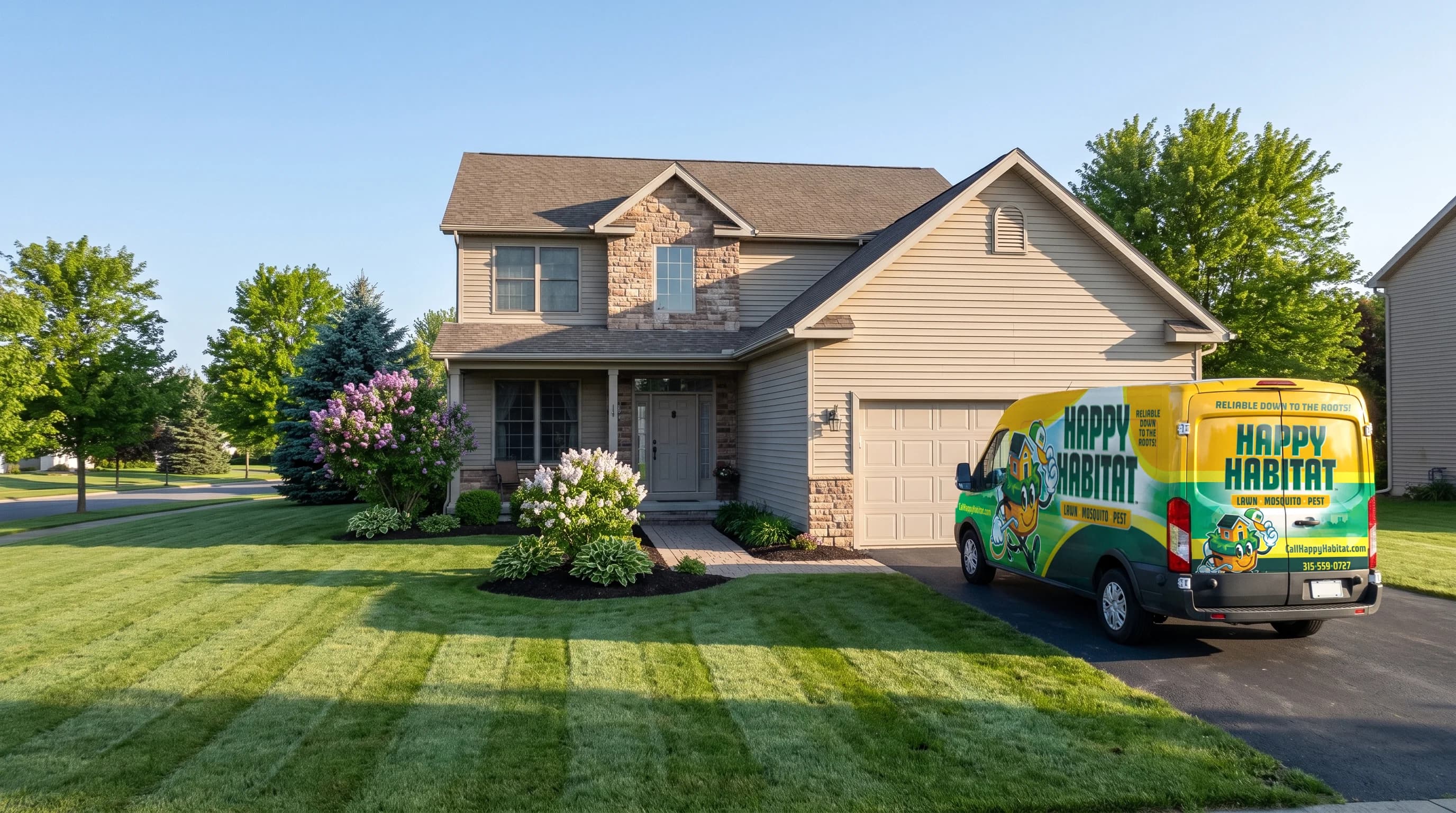
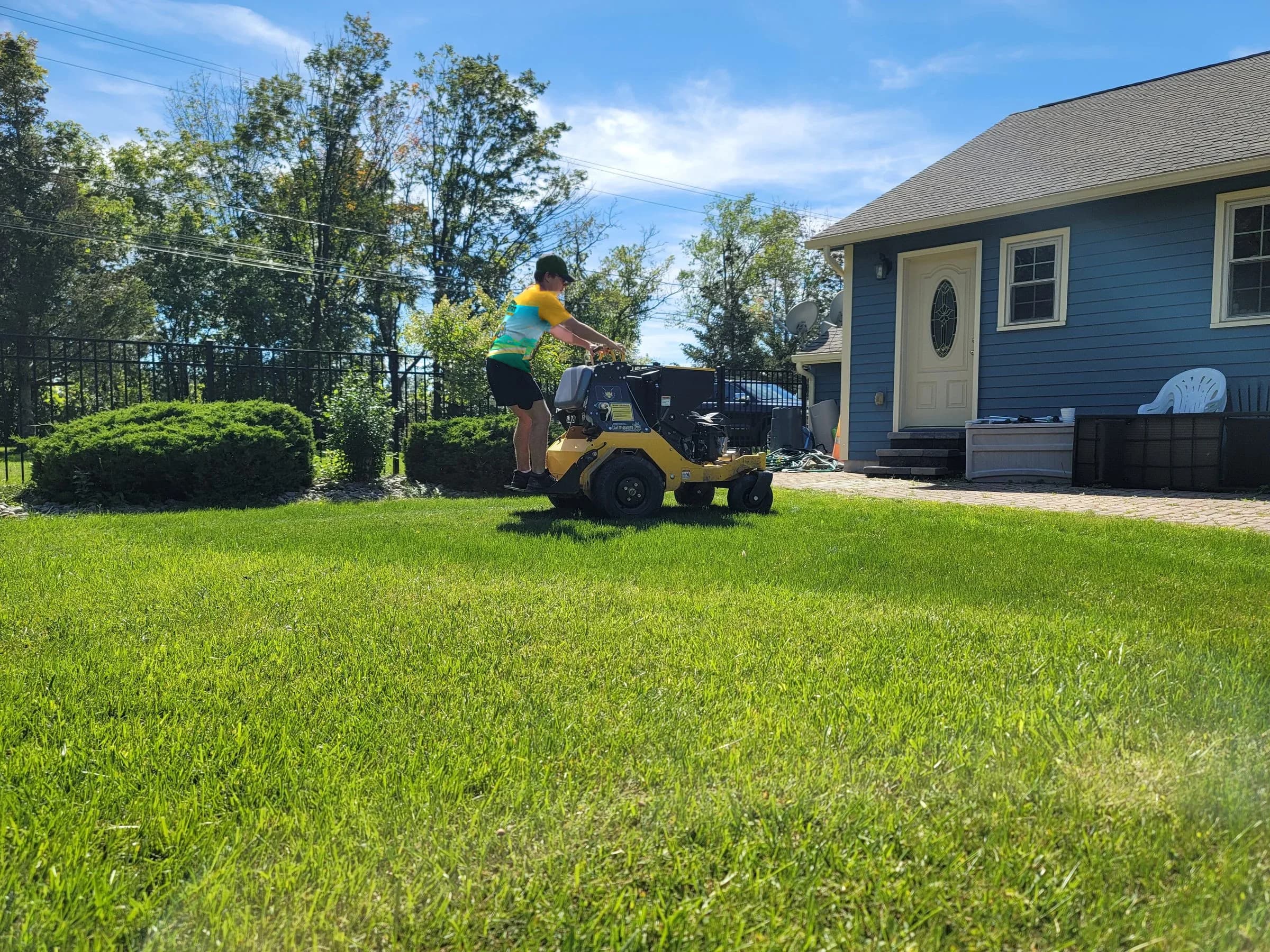
A thick, green client lawn in front of a Central New York home.

For roots and the lawn you walk on

Grub prevention
& lawn pest defense.

Two kinds of lawn insects.
Two kinds of protection.

For Central New York lawns, grub prevention works below the soil, where grubs feed on the roots. Lawn Pest Defense treats the lawn's surface for ants, chinch bugs, fleas and ticks.

What lives where

Below the soil. On the surface. Each needs its own treatment.

Grubs live below the soil and surface insects live on top of it, so they're treated differently. Here's which is which.

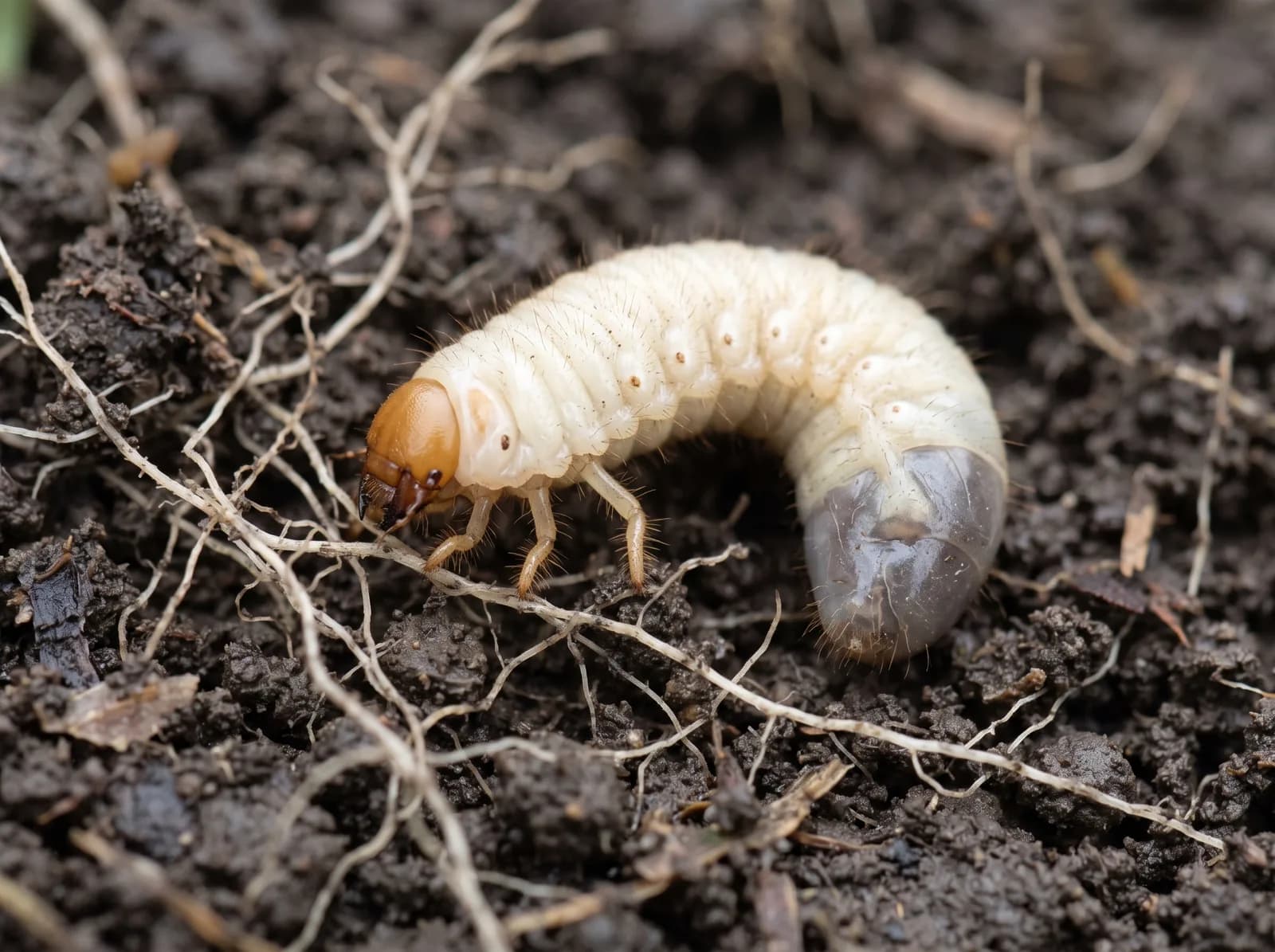
A white grub curled in dark soil among grass roots.

Below the soil

Grub prevention

What lives there
White grubs, the young of beetles like Japanese beetles and European chafers.
What they do
Grubs feed on the root system of your turf, and the damage can be quick and devastating.
How we treat it
A preventive treatment in early summer, before grubs do their damage.
Comes with
Every level of our lawn program, so it isn't an extra.
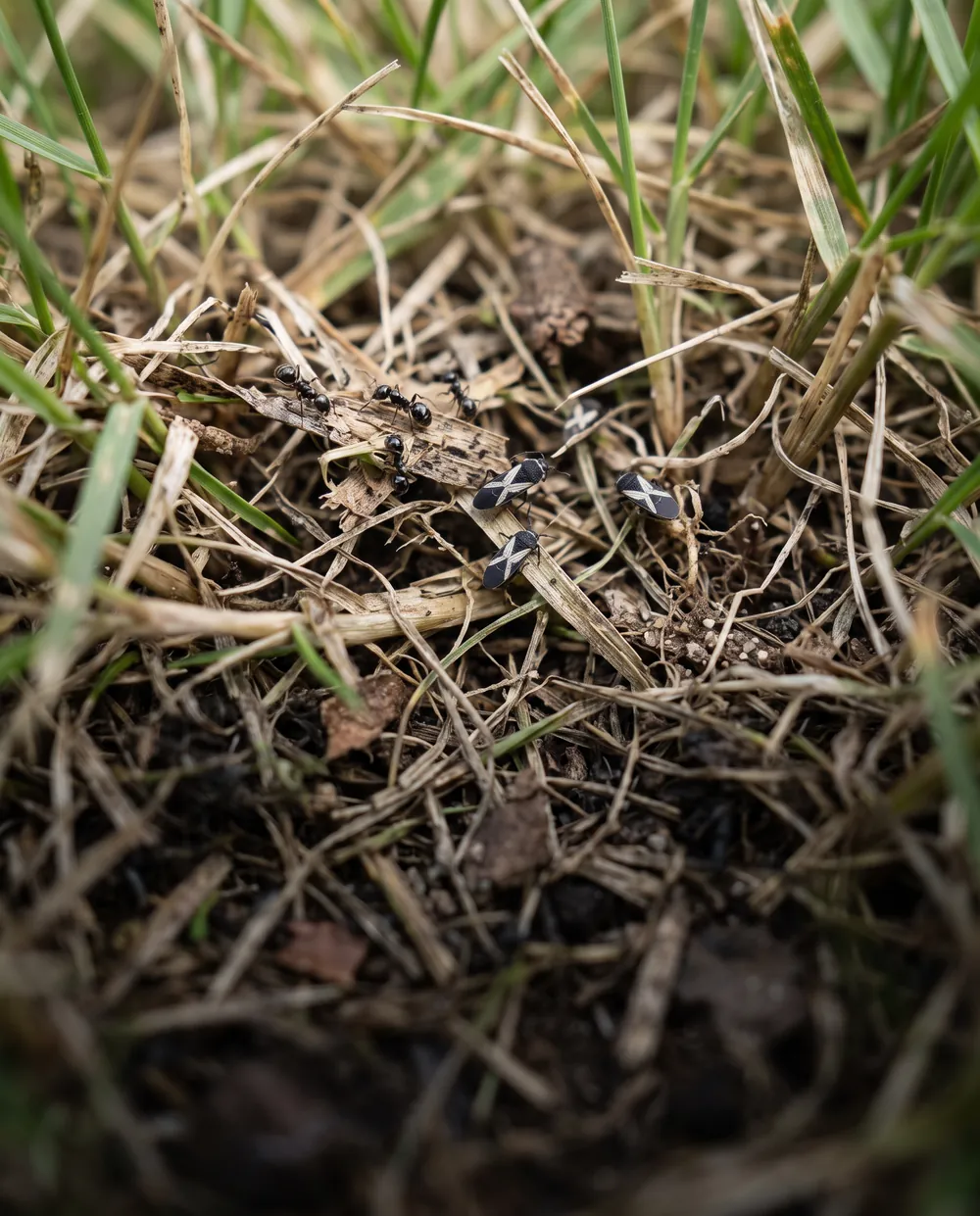
Chinch bugs and ants in the thatch at the base of the grass.

On the surface

Lawn Pest Defense

What lives there
Surface ants, chinch bugs, sod webworms, crane flies, fleas and ticks.
What they do
Chinch bug damage looks like drought damage: large brown patchy areas of dead grass, often in sunny, dry spots and sandy soil. Sod webworms give themselves away, tan moths fluttering up as you walk across the lawn.
How we treat it
Applications on the lawn surface through the season, spring, summer and fall. It works on insects that live on the surface, not grubs underneath.
Comes with
Better and Best, on a lawn estimate or a mosquito estimate.

A grub's year in your lawn.

Most grubs here take a year to go from egg to beetle. Here's that year, and where grub prevention fits.

A grub's year in your lawn

A lawn and the soil under it through one year: a grub near the roots in spring, a pupa, Japanese beetles coming out of the soil in early summer, eggs, tiny grubs and then larger grubs in the root zone, and grubs deep in the soil under winter snow.
  1. April and May

    Grubs move back up

    Last fall's grubs come up to the roots and feed for a short time.

  2. Late spring

    Pupae

    They stop feeding and turn into pupae in the soil.

  3. Late June and early July

    Beetles come out

    Adult beetles crawl out of the soil to feed and mate.

  4. July

    Eggs

    Females lay eggs in the soil. They hatch about two weeks later.

  5. August

    Young grubs

    Tiny new grubs feed on roots close to the surface.

  6. Late August to October

    Grubs grow

    They grow through two more stages and eat more roots. Damaged turf often shows now.

  7. Late fall to early spring

    Down for the winter

    As the soil cools, grubs move deeper and spend the winter below the frost line. In spring they come back up, and the cycle starts again.

When grub prevention goes down

Early summer, before the eggs hatch. Cornell's window for it runs from May to July. It protects your lawn from that summer's new grubs, the ones that feed in late summer and fall, so it goes down every year. It comes with every level of our lawn program.

The Japanese beetle's calendar, which Cornell calls typical of most grubs in New York State. Cool or dry weather can delay it. Source: Cornell University Integrated Pest Management, White grubs; New York State IPM Program, Grubs in Your Lawn?.

What's covered

What's covered, and what isn't.

From our guides: Grubs and Lawn Insects in Central New York: What Treats What

Covered

  • Grubs, below the soil

    A preventive treatment before they feed on the roots.

  • Grubs already doing damage

    A heavy infestation can need a curative treatment. Tell us what you're seeing in your estimate.

  • Insects on the lawn's surface

    Surface ants, chinch bugs, sod webworms, crane flies, fleas and ticks.

Not covered

  • Mosquitoes and ticks in trees and shrubs

    That's the mosquito and tick program.

  • Moles, rodents or other animals

    No animal control.

  • Inside your home

    Lawn treatments stay on the lawn. Exterior pest control covers the outside of the house.

Good. Better. Best.

Where grub prevention and Lawn Pest Defense fit.

Both come built into the levels of a lawn or mosquito estimate. Switch between them to see where each starts.

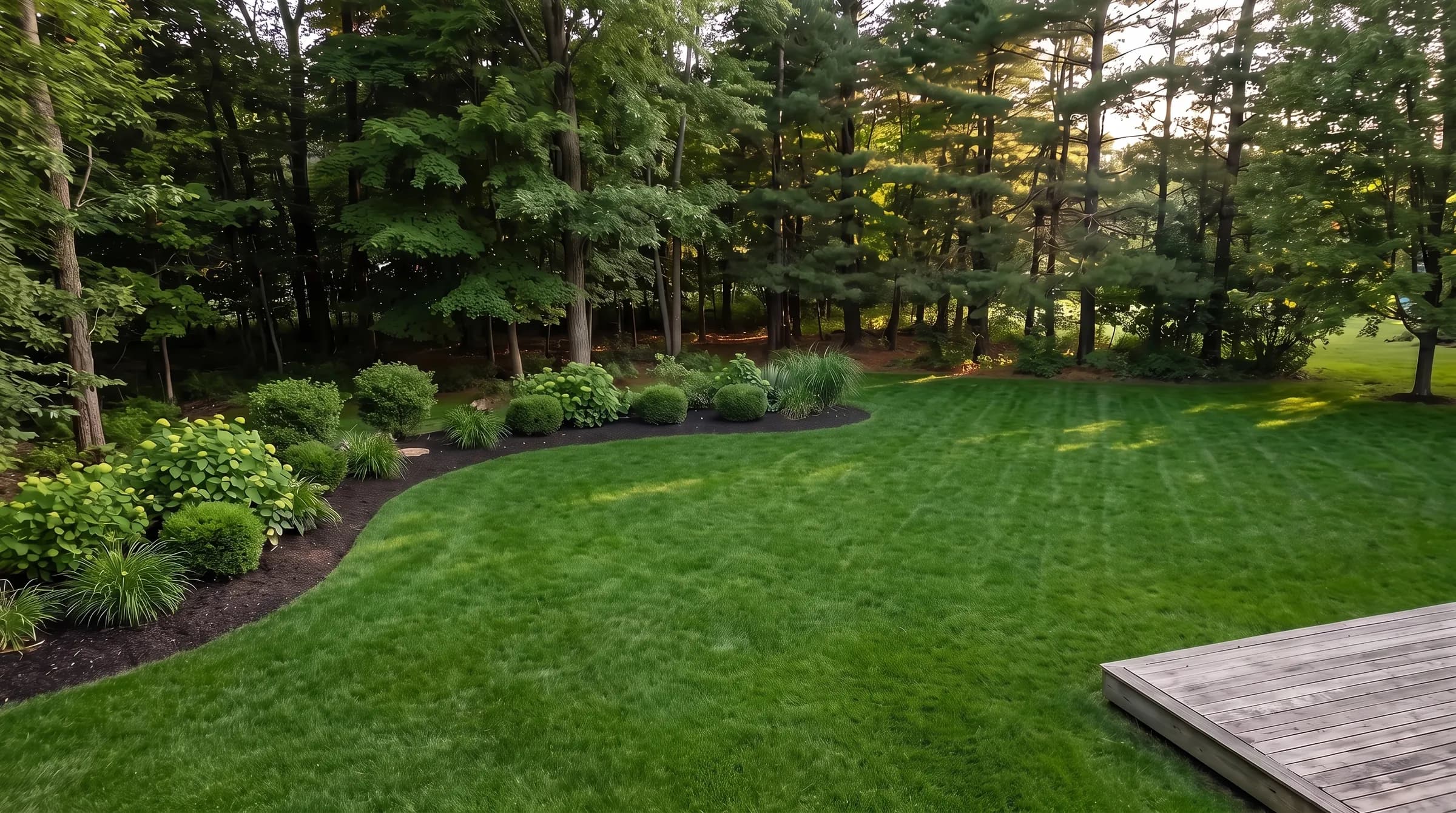
A backyard with a thick, freshly mowed lawn, a curved shrub bed and a shady tree edge, showing what each level covers.

Good: The full-season lawn program

Feeding and weed control

Feeding, crabgrass prevention, broadleaf weed control and grub prevention through the season.

Better: Lawn program + Lawn Pest Defense

Feeding and weed controlBugs in the grass

Everything in Good, plus treatments for insects that live on the lawn surface, like fleas, ticks, surface ants and chinch bugs.

Best: Complete Lawn & Mosquito Care

Feeding and weed controlBugs in the grassMosquito and tick control

Everything in Better, plus season-long mosquito and tick control for the trees, shrubs and shady edges where mosquitoes rest.

Price All Three for My Yard

Your estimate prices all three for your property, plus any extras you'd like.

Lawn Care. Good covers feeding and weed control.

Just want the lawn program? See lawn care

Happy Habitat Enjoy Your Yard Guarantee

The Enjoy Your Yard promise

If you're not happy, we're not happy, and we'll make it right.

Grub and pest questions

A little clarity before we start.

Helpful answers about grubs, surface insects and your estimate.

Does Lawn Pest Defense treat grubs?

No. Lawn Pest Defense treats insects that live on the lawn's surface. Grubs live below the soil, so grub prevention handles them.

Is grub prevention part of the lawn program?

Yes. Grub prevention comes with every level of our lawn program. It protects the roots of the lawn you're paying to grow, because grub damage can be costly to fix.

Can I skip grub prevention?

Preventing grubs is far more affordable than treating an active infestation. And that's just the treatment cost: grub damage can also mean expensive lawn repairs, including aeration and overseeding. Skipping a year also leaves your lawn unprotected that year. Grubs run on a yearly cycle: in Cornell's calendar, beetles lay their eggs in the lawn in July and August, and the new grubs feed on the roots in late summer and fall. Each season's prevention goes down before then and protects against that year's grubs, so it doesn't carry over to the next. That's why we strongly recommend grub prevention every year and include it in every level of our lawn program.

I already see damage. Can you help?

Tell us what you're seeing in your estimate. A heavy grub infestation can need a curative treatment, and we'll recommend the right next step.

Does Lawn Pest Defense cover ticks?

On the lawn, yes. For the trees, shrubs and shady edges where ticks wait, add mosquito and tick control; Best includes both.

Can I get Lawn Pest Defense without lawn care?

Yes. You can get it on its own, or with lawn care or mosquito and tick control.

How much does it cost?

Your price is based mainly on the size of your lawn. Start with your address and we'll price all three.

Good words from the neighborhood

Care people appreciate.

About these reviews

These Google reviews were originally shared for Premier Lawn Services, our team's earlier name. Each excerpt links to its original review.

See all reviews

More for your yard

Pairs well with pest defense.

Add any of these to your estimate. Each is priced on its own, so you only pay for what your yard needs.

  • Seasonal program

    Lawn fertilization & weed control

    The full-season program: feeding, crabgrass prevention and weed control.

    Explore lawn care
  • Add-on

    Aeration & overseeding

    Opens compacted soil so water, air and nutrients reach the roots. Overseeding fills thin spots.

    Explore aeration

One clear estimate.

Your levels, the extras you pick and the price for your property.

Build My Estimate

Areas we serve

At home in CNY.

Family-owned and based in Kirkville, Happy Habitat cares for homes across Central New York.

Service boundaries can vary within a town. Check your address to confirm availability.

Happy Habitat service area

Expanded Happy Habitat service-area reference map for Central New York.

The map is a local reference. The address checker confirms availability for your property.

Check service availability

Does Happy Habitat serve your address?

Coverage can vary street by street, so we confirm by exact address. If you are in our area, you can continue to your free estimate request without entering it again.

Google Maps helps select and check your address. We save it only if you request an estimate.

How we use your address

The address checker may send your address to Google Maps for suggestions and location checking. Your address check is saved only if you submit an estimate request. Your address is never put in a link.

Privacy policyTerms of use

Your next steps

  1. Tell us what you need

    Pick what's bugging you most. You can add anything else at the end.

  2. Check your address

    We confirm your property is in our service area.

  3. Get your estimate

    Priced for your property, with all three levels and the extras laid out.

  4. Approve it online

    Pick what you want and approve. We send a reminder the day before every visit.

Review mode: open items showTurn off