
Learn all about lawn care in Syracuse's North and East Suburbs.
We are going to cover turf fertilization, weed control, aerating, overseeding, and more such as best lawn maintenance practices.
Happy Habitat is a small, local business that offers lawn fertilization and weed control treatments in Syracuse's North and East Suburbs.
If you are searching for a local lawn care company you can trust to provide the best care for your lawn, please request your free estimate today! If you are a DIY lawn care pro, we hope you learn something from this information.
How To Properly Care For Lawns in Central New York
Below we outline our process and the best practices anyone should follow when a thick, green, weed-free lawn is desired in Central New York.
If you are interested in the very best lawn care in Syracuse's North and East suburbs we would love to provide you with a free estimate and handle all of this for you!
Spring Lawn Care near Syracuse
The lawns in Central New York State break winter dormancy in the Spring when the weather begins to warm up.
What we do
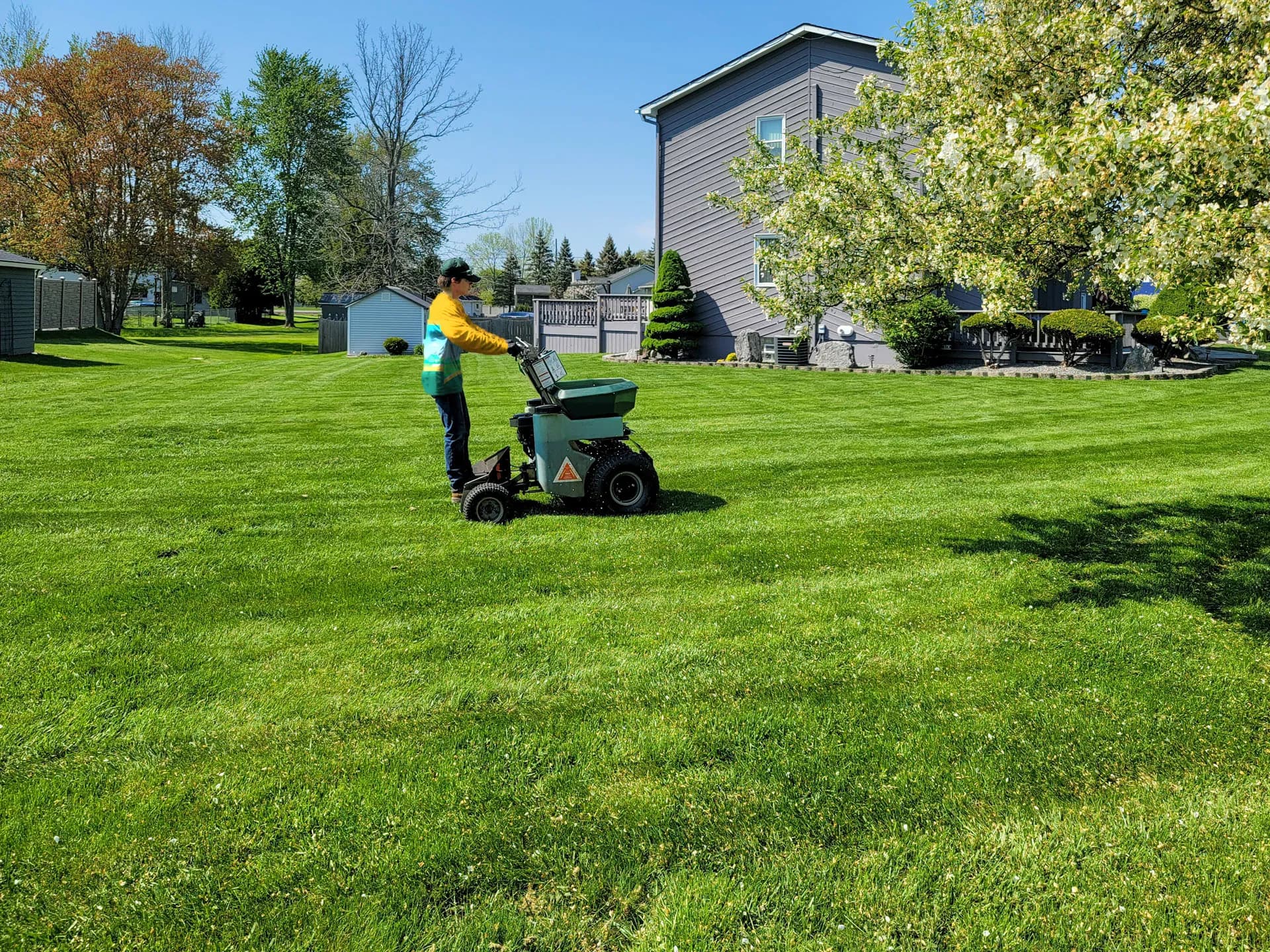
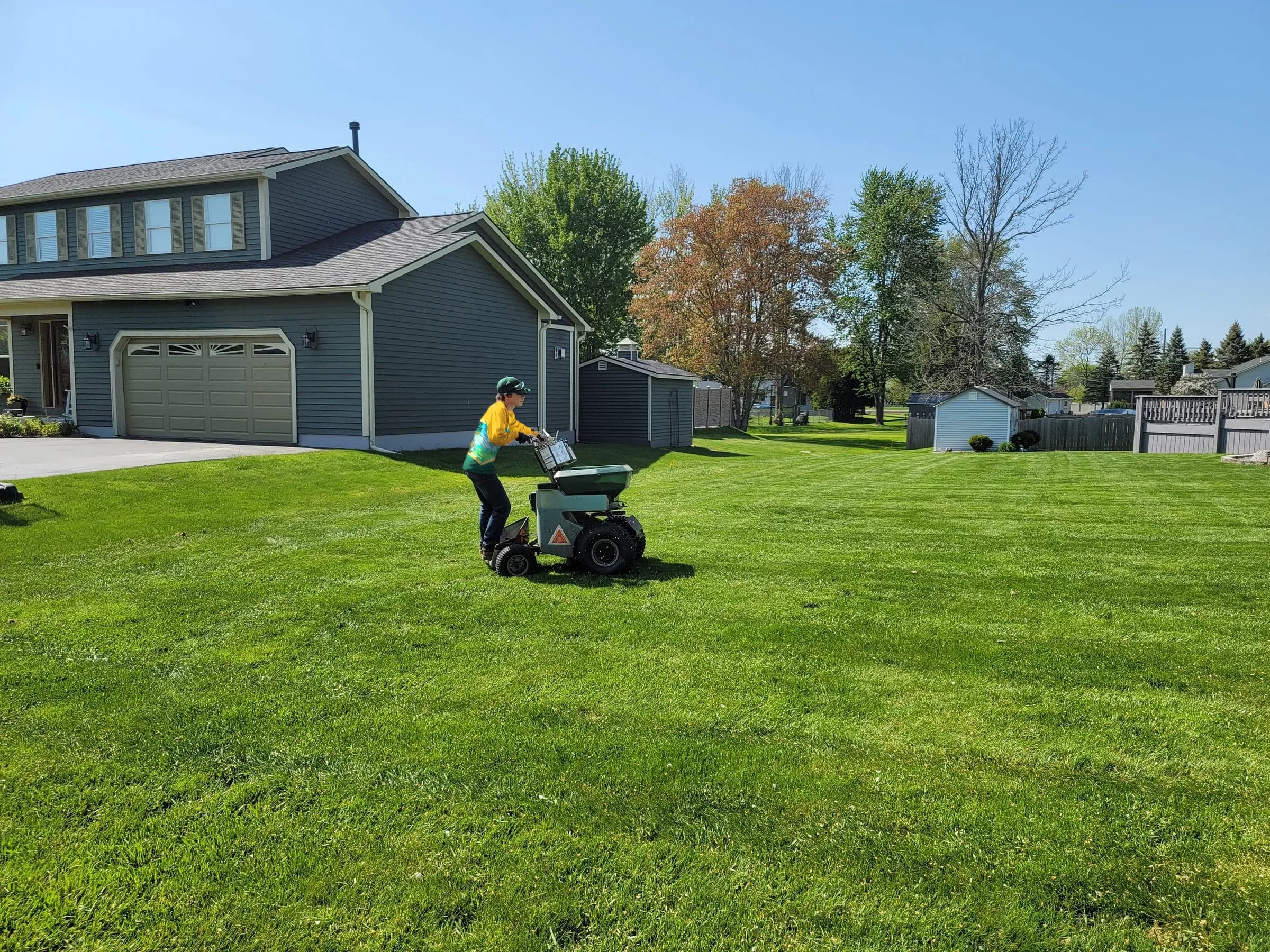
Before the grass begins to grow, we make sure your lawn gets an application of slow-release fertilizer. The ‘slow-release’ characteristic of the fertilizer is important! This means the fertilizer pellets are coated so all of the nutrients do not enter the soil at once. This allows one application to be applied and it will continue to feed the lawn until our next visit.
We apply a pre-emergent herbicide to the lawn in early spring. A ‘pre-emergent herbicide’ is a weed control product that prevents weeds from ever emerging from the soil. Often referred to as ‘pre-m weed control’ by lawn care professionals, a pre-emergent weed control application is the best way to combat crabgrass from entering your lawn over the summer months.
If winter annual weeds are lingering in the lawn or some new weeds have already begun to grow, we may spot spray them with a post-emergent herbicide. We use a ‘selective herbicide’ that will not harm grass plants! Traditional weed killer is an example of a ‘non-selective herbicide’ that will also kill grass plants.
Learn more about weed control for lawns.
What you do between visits
When the grass begins to grow it is important to mow it regularly. Often weekly lawn mowing is needed to ensure more than 1/3 of the grass blade is not removed during a single mowing. The 1/3 rule of lawn mowing refers to the fact that damage can be done to the grass plants if more than 1/3 of the grass blades are cut off during a single mowing. Just make sure your lawn gets mowed frequently enough that less than 1/3 of the blade is being removed when it gets cut.
It is also very important that the lawn mower blades cutting your grass are sharp. Dull lawn mower blades tear the grass blades instead of cutting them cleanly. Grass that is torn instead of cut flush incurs unneeded additional stress.
Early Summer Lawn Care near Syracuse
In the early summer, it is time to apply another application of slow-release fertilizer and gain control of summer annual weeds trying to enter the lawn.
What we do
We apply the 2nd application of slow-release fertilizer. Slow-release fertilizer is ideal for this time of year because the grass is already growing rapidly. We don't want to add ‘fuel to the fire’ and cause an excessive growth spurt. Rapid excessive growth is not healthy for the turf and nobody wants to mow their lawn 2-3 times per week!
It's time for ‘post-emergent’ weed control only at this time. Now is the time to gain control of any weeds in the lawn before they have a chance to spread!
What you do between visits
Continue mowing the lawn with sharp lawn mower blades and make sure that your lawn gets mowed frequently enough that only 1/3 or less of the grass blade is removed during each mowing.
Summer Lawn Care near Syracuse
The summer calls for another application of slow-release fertilizer, treatment of any existing weeds in the lawn, and grub prevention, which is included in this round.
What we do
During the summer the slow-release aspect of the fertilizer is extra important. When the summer heat sets in it can stress the turf. If too much fertilizer is available to the grass plants during the high temperatures it can cause harm.
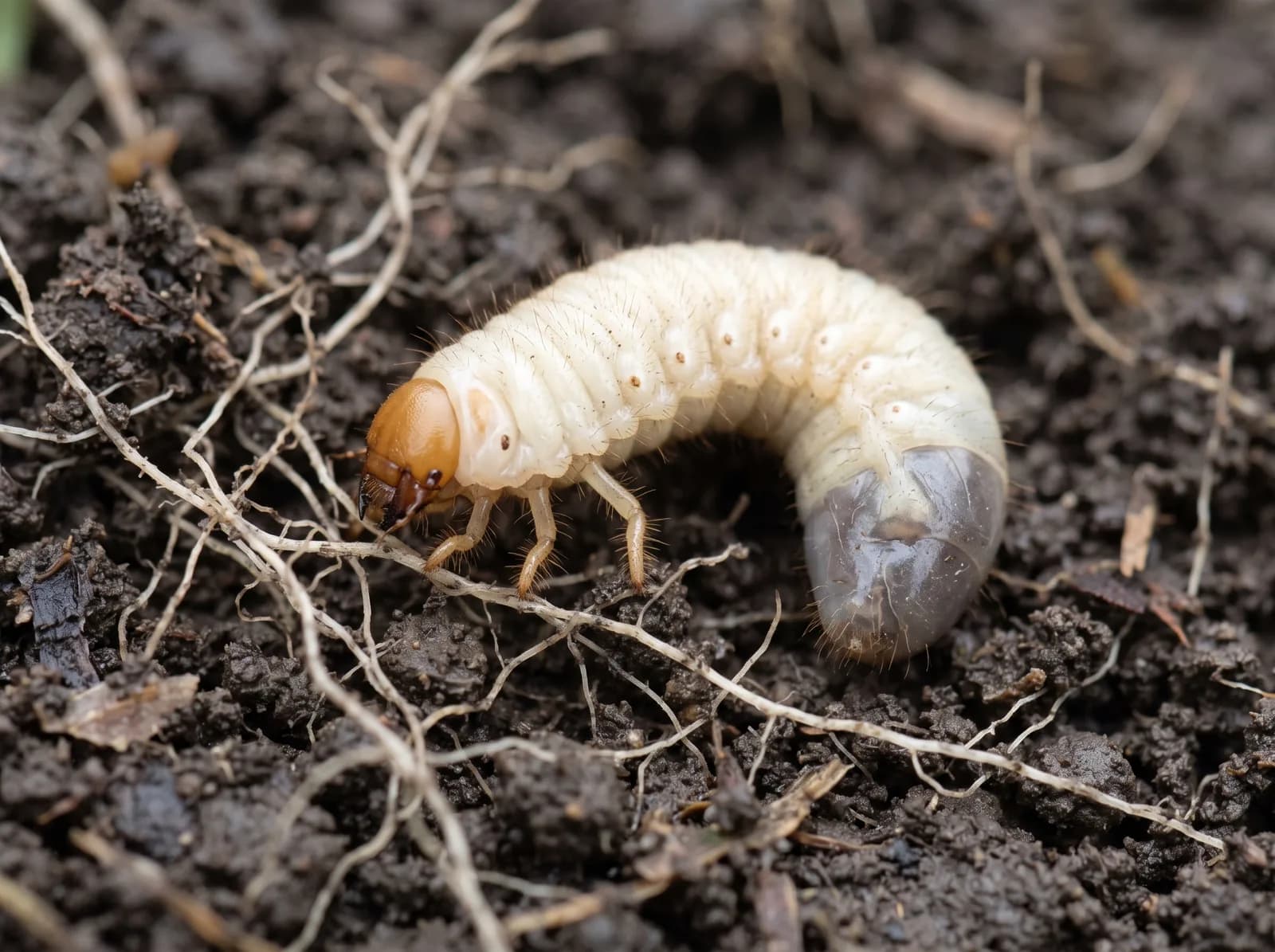
This round also includes grub prevention, which protects the roots of your lawn from the grubs that feed on them. Learn more about grubs and lawn insects.
Hopefully at this point in the season after the 1st 2 rounds of treatments to the lawn, the weeds are pretty well under control. If not, we continue to spray the weeds as needed with a selective herbicide to ensure only the weeds, not the grass plants, are killed from the application. Some weeds are harder to control than others and multiple applications are needed to gain control so don't be too frustrated if you still have weeds. We'll discuss how to drastically reduce the number of weeds that ever enter your lawn with our late summer lawn care tips next.
What you do between visits
Continue mowing as needed.
Late Summer Lawn Care near Syracuse
It's time for another application of slow-release fertilizer in late summer. Late summer into fall is the best time to overseed your lawn, and September is the best month. For this reason, we try not to use weed control in this application if possible.
What we do
You may be recognizing a trend: we apply another round of slow-release fertilizer to the lawn in late summer.
We apply weed control as needed if you are not overseeding your lawn this fall. If you are overseeding your lawn, we try to skip treating the weeds at this time.
We also offer aerating and overseeding to complement our fertilization and weed control applications. Please know that simply spreading grass seed over your lawn or even bare spots will yield little to no results. The soil must be prepared to accept the grass seed and give it a chance to germinate. The best way to prepare an entire lawn is to core aerate it before spreading the grass seed, so that's how we overseed: core aeration first, then the seed.
Aerating without seeding afterward is also very beneficial by itself! We can't stress enough how important it is to core aerate your lawn each fall if the goal is to have a beautiful, healthy, weed-free lawn. Core aerating is the process of poking holes by removing cores from the soil under your lawn. All of these holes allow water and nutrients to more easily enter the soil and get down to your turf's root system where it can actually utilize them! It also allows the turf's root system to spread and dig deeper into the soil more easily as this process de-compacts the soil.
What you do between visits
Continue mowing as needed in late summer. If we overseed your lawn, be gentle with the new seedlings while they establish: avoid aggressive mower turns and heavy traffic on the new grass.
Fall Lawn Care near Syracuse
Fall is the time to apply 1 final application of slow-release fertilizer for your lawn to store as it goes dormant over the winter months.
What we do
Once again, we apply a slow-release fertilizer to the lawn, the final feeding of the season (some call it a winterizer).
Fall is also an ideal time for our optional Calcium and Lime Soil Treatment, which helps improve soil conditions by balancing acidic soil pH, so it can work into the soil before spring growth begins.
Hopefully, no weeds are left on your lawn at this point! We spray any weeds we may see with this treatment, but we rarely see any!
What you do between visits
If you do have weeds present and don't want them again next year, you are going to have to overseed to crowd out the weeds. Weeds thrive by filling in thin and bare spots on the lawn. Eliminate the thin and bare spots and weeds simply have nowhere to grow!
You can overseed in the springtime. It's very important to understand that this will eliminate the ability for pre-emergent herbicide to be used as it will also stop the grass seed from growing just as it does weeds! If you use a lawn service, hopefully, you use us, make sure you communicate that you are planning on seeding in the spring so they can adjust the treatment they apply to your lawn!
When the grass stops growing, of course, you can stop mowing!
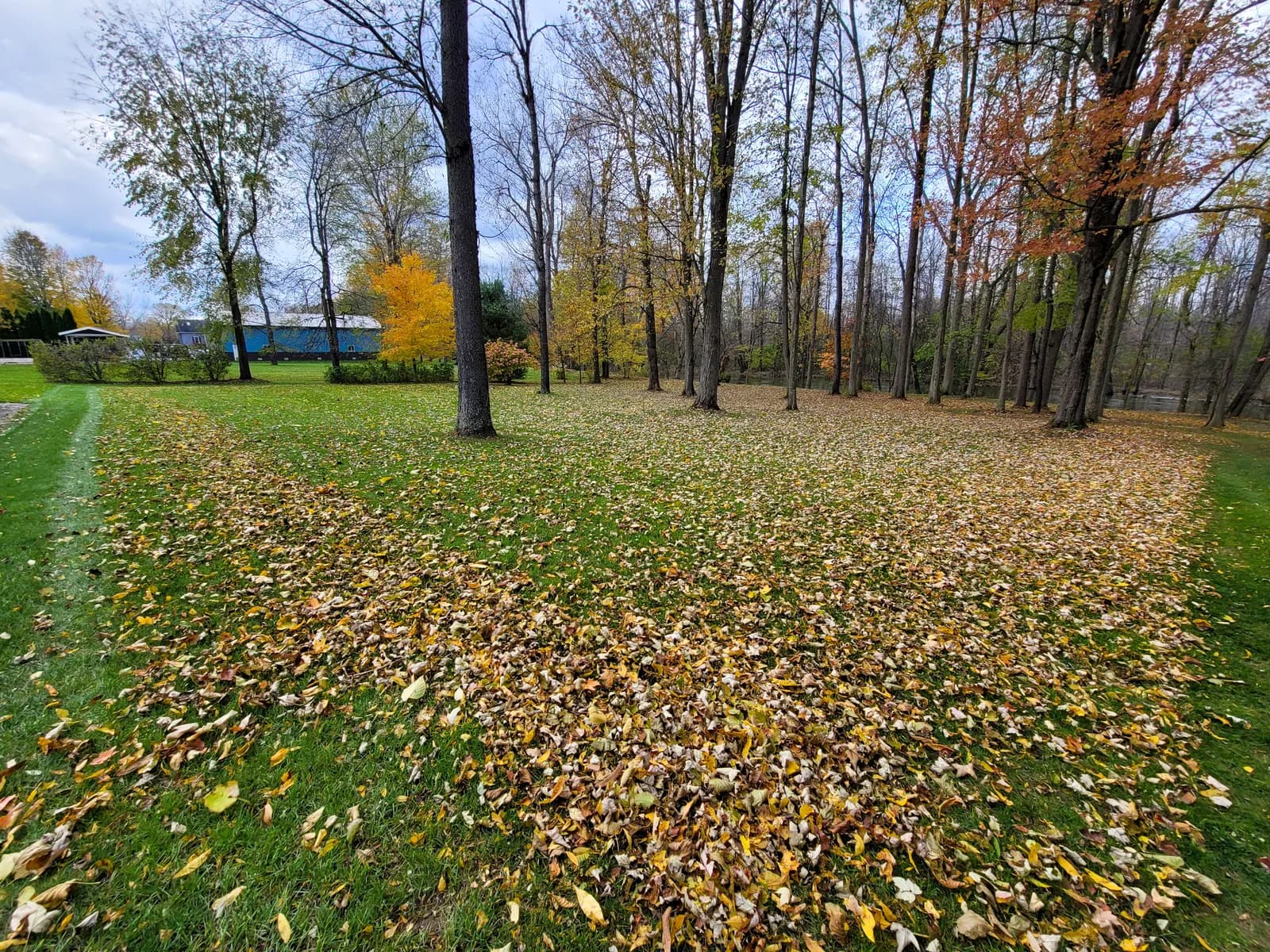
The main lawn maintenance concern during the fall is ensuring that leaves do not sit on your lawn all fall and winter long. If leaves are left covering the lawn they can suffocate the grass beneath them if the leaf covering is thick enough. More often, leaves left on the lawn will begin to break down and can lead to disease or fungus issues in your lawn. Leaves left built up in corners or by plants can attract unwanted pests seeking warmth. Please make sure that leaves don't sit on your lawn all winter long!